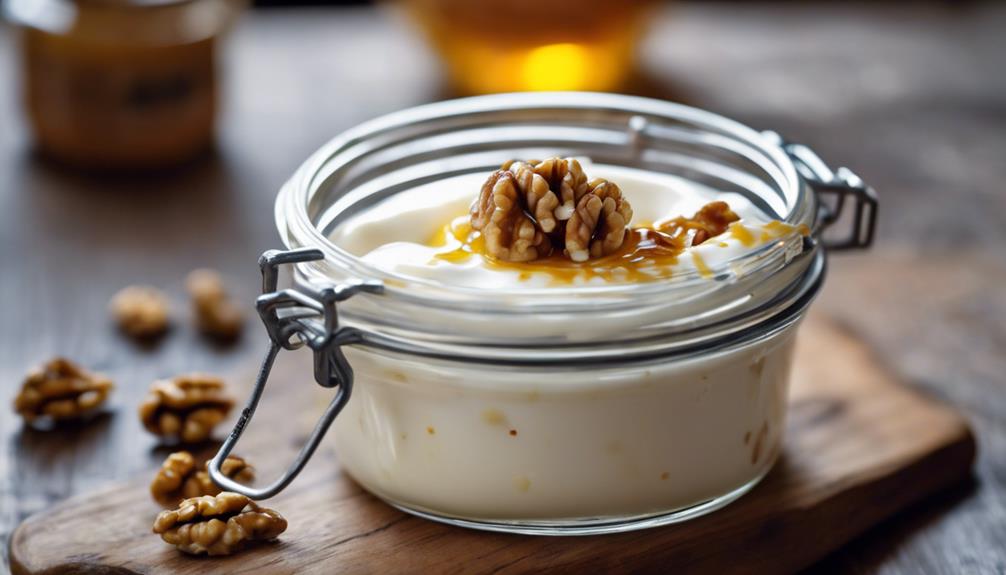
Sous Vide Greek Yogurt With Honey and Walnuts

To achieve perfectly creamy sous vide Greek yogurt with honey and walnuts, maintain precise temperature control. This method guarantees a velvety texture, enhanced probiotics, and a harmonious blend of flavors. The controlled environment promotes a rich taste and beneficial bacteria growth. The fusion of sweet honey and crunchy walnuts complements the yogurt beautifully. Embrace the sous vide technique for a delicious and nutritious yogurt treat that will elevate your culinary experience to new heights.

What You Will Learn Here
- Sous vide method ensures precise temperature control for perfect yogurt texture.
- Incorporating honey and walnuts adds sweetness and crunch to Greek yogurt.
- Extended incubation period enhances flavor profile and probiotic content.
- Greek yogurt offers high protein, calcium, and beneficial live cultures.
- Traditional recipe with modern sous vide technique for creamy, velvety yogurt.
Yogurt-Making Origins
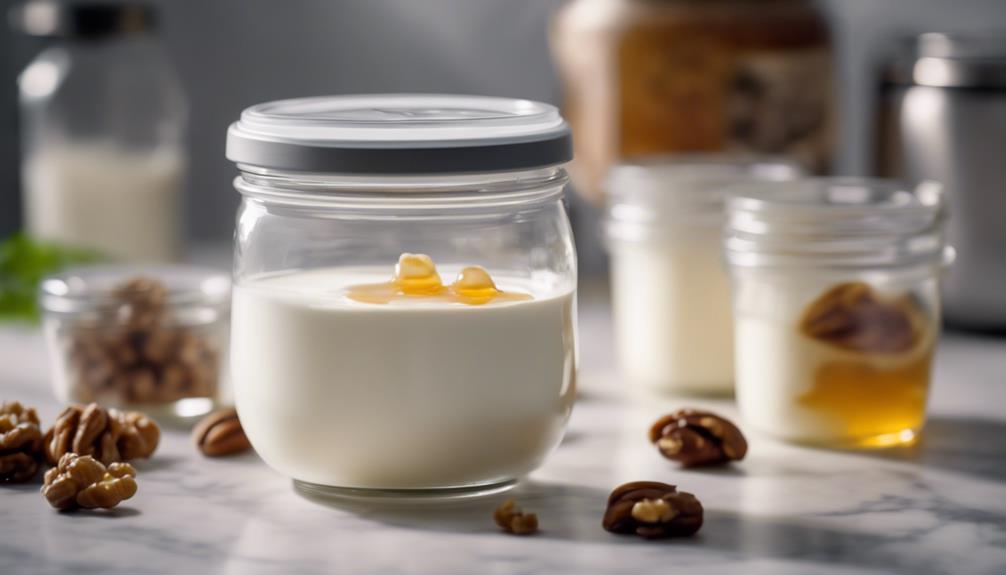
Yogurt-making has a rich historical background, tracing back to ancient civilizations like the Greeks and Turks.

Understanding the cultural significance of yogurt can provide insights into traditional recipes and methods.

Exploring the origins of yogurt-making reveals a world of culinary traditions and health benefits.

Historical Yogurt Origins
Dating back thousands of years, the origins of yogurt can be traced to the ancient civilizations of Mesopotamia and the Middle East. Yogurt consumption was prevalent due to its long shelf life and nutritional benefits. The process of fermenting milk to make yogurt was discovered accidentally, likely when milk was stored in warm temperatures, allowing natural bacteria to ferment lactose into lactic acid.
This fermentation process not only preserved the milk but also created a tangy, creamy product with probiotic properties that promote gut health. The health benefits of yogurt are well-documented, including improved digestion, strengthened immune system, and better bone health due to its high calcium content.
Yogurt's historical significance lies in its evolution from a simple preservation method to a widely consumed dairy product known for its health benefits.
Cultural Significance of Yogurt
With yogurt's historical roots firmly planted in ancient civilizations, understanding the cultural significance of this dairy product reveals a tapestry of traditions and practices that have shaped its evolution into a culinary staple worldwide.
Cultural practices surrounding yogurt-making vary across regions, from the use of specific bacterial strains in fermentation to the addition of local fruits and spices for flavor. In many cultures, yogurt holds symbolic value, representing purity, health, and longevity.
The health benefits associated with yogurt consumption, such as improved digestion and a strengthened immune system, have been passed down through generations and integrated into traditional medicine practices. This rich cultural tapestry not only highlights the diversity of yogurt-making techniques but also underscores the deep-rooted connection between food, culture, and well-being.
Traditional Yogurt Recipes
Rooted in ancient culinary traditions and passed down through generations, traditional yogurt recipes offer a glimpse into the origins of yogurt-making practices.
Yogurt fermentation, an essential step in yogurt production, involves the introduction of live bacterial cultures such as Lactobacillus bulgaricus and Streptococcus thermophilus to milk, initiating the fermentation process. This process results in the conversion of lactose (milk sugar) into lactic acid, which gives yogurt its characteristic tangy flavor and creamy texture.
Beyond its delicious taste, yogurt also provides numerous health benefits. Rich in probiotics, yogurt promotes gut health by aiding digestion and boosting the immune system. Additionally, yogurt is a good source of protein, calcium, and other essential nutrients, making it a valuable addition to a balanced diet.
Key Yogurt-Making Ingredients
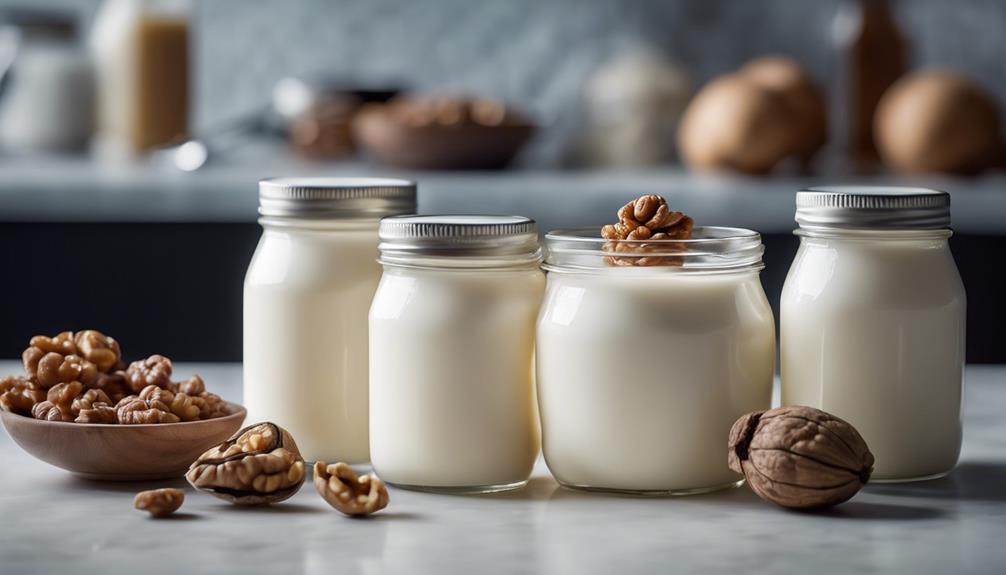
When crafting a batch of homemade Greek yogurt, the choice of key ingredients plays a crucial role in determining the final texture and flavor of the end product. To guarantee you achieve the desired creamy consistency and delicious taste, pay close attention to the following key yogurt-making ingredients:
- Milk: Opt for high-quality whole milk to provide a rich and creamy base for your yogurt.
- Starter Culture: Select a yogurt starter with live active cultures to introduce the necessary bacteria for fermentation and maximize the probiotic benefits.
- Sweetener: Choose a sweetener like honey or sugar to enhance the flavor of your yogurt while balancing any tanginess.
- Thickening Agent: Consider using powdered milk or pectin to help achieve the desired thickness in your yogurt.
- Flavorings: Experiment with different flavor variations by adding vanilla extract, fruit purees, or spices to customize your yogurt's taste profile.
Yogurt Parfait Variations
Explore exciting variations like the Honeyed Yogurt With Walnuts, Walnut-Stuffed Yogurt Delight, and Creamy Yogurt Popsicles to elevate your yogurt parfait game.
These options provide a mix of textures and flavors that cater to different preferences, ensuring there's something for everyone to enjoy.
Experimenting with these variations can add a delightful twist to your usual yogurt parfait routine.
Honeyed Yogurt With Walnuts
Incorporate a dash of honeyed sweetness and crunchy walnuts to elevate the flavor and texture of your Greek yogurt parfait. When crafting your yogurt parfait with honey and walnuts, consider the following to create a delightful treat:
- Layering Technique: Alternate between yogurt, honey, and walnuts to guarantee each bite is a perfect blend of flavors.
- Crushed Walnuts: Crush the walnuts into smaller pieces for a more even distribution of nutty goodness.
- Honey Drizzle: Opt for a slow, controlled drizzle of honey to prevent overwhelming sweetness.
- Chilling Time: Allow the parfait to chill for a few minutes to let the flavors meld together beautifully.
- Taste Testing: Adjust the amount of honey and walnuts to achieve the ideal balance of flavors in each spoonful.
Walnut-Stuffed Yogurt Delight
For a decadent twist on traditional Greek yogurt parfait, infuse each spoonful with the rich crunch of walnut pieces nestled within the creamy layers. Walnuts not only add a delightful texture but also bring a host of nutritional benefits and unique flavor profiles to your yogurt creation.
Here are some creative serving suggestions and health benefits to elevate your walnut-stuffed yogurt delight:
- Nutritional Benefits: Walnuts are packed with omega-3 fatty acids and antioxidants, promoting heart health.
- Rich Flavor Profiles: The earthy, nutty taste of walnuts complements the tanginess of Greek yogurt for a harmonious blend.
- Textural Contrast: The crunchy walnuts provide a satisfying contrast to the smooth and creamy yogurt.
- Health Benefits: Walnuts are known to support brain health and may help reduce inflammation.
- Gourmet Presentation: Garnish your walnut-stuffed yogurt with a drizzle of honey and a sprinkle of cinnamon for an elegant finish.
Creamy Yogurt Popsicles
Consider experimenting with different yogurt parfait variations by transforming the creamy yogurt into delightful popsicles, offering a rejuvenating twist on this classic treat. When it comes to frozen treats and creamy desserts, yogurt popsicles are a perfect choice. Here are five enticing ideas to elevate your yogurt parfait game:
- Fruity Bliss: Mix yogurt with fresh fruit puree and a touch of honey before freezing.
- Granola Crunch: Layer yogurt with crunchy granola and a drizzle of maple syrup for a satisfying texture.
- Chocolate Indulgence: Swirl melted chocolate into yogurt and freeze for a decadent treat.
- Nutty Delight: Add chopped nuts and a sprinkle of cinnamon to yogurt before freezing.
- Berry Burst: Combine yogurt with mixed berries and a splash of lemon juice for an invigorating popsicle.
These creamy yogurt popsicles will surely become a household favorite for a cool and satisfying dessert.
Yogurt-Setting Temperature Recommendations
When setting the temperature for your yogurt using the sous vide method, it's essential to take into account the ideal temperature range to achieve the desired consistency and texture. This range typically falls between 110°F and 115°F, ensuring the yogurt sets properly without curdling or becoming too runny.
Monitoring the time the yogurt spends at this temperature is also vital for achieving the perfect creamy texture.
Optimal Temperature Range
Requiring precise temperature control, achieving the ideal temperature range is essential for successfully setting yogurt when using the sous vide method. Temperature accuracy is vital for the fermentation process to occur optimally. The sous vide technique offers advantages in this regard, providing precise control over the temperature throughout the yogurt-making process.
To set yogurt effectively, maintaining a consistent temperature between 110°F to 115°F (43°C to 46°C) is recommended. This temperature range encourages the growth of beneficial bacteria, resulting in a thick and creamy yogurt texture. Deviating from this range may lead to inconsistent or failed yogurt setting.
Time for Yogurt
For essential yogurt setting, maintaining the recommended temperature range of 110°F to 115°F is vital for fostering the growth of beneficial bacteria and achieving a thick, creamy texture.
Yogurt fermentation is a delicate process that requires precise temperature control. At temperatures below 110°F, fermentation may be slow, leading to a weak yogurt structure and a lack of tanginess in the Greek yogurt flavors.
Conversely, temperatures exceeding 115°F can kill the beneficial bacteria necessary for the fermentation process, resulting in runny yogurt with a compromised taste.
To guarantee excellent results, it's important to monitor the temperature closely throughout the yogurt-setting period. By adhering to the specified temperature range, you can promote the development of rich flavors and a velvety smooth texture in your homemade Greek yogurt.
Consistency and Texture
To achieve ideal consistency and texture in your Greek yogurt, precise control of the yogurt-setting temperature within the range of 110°F to 115°F is paramount. Temperature precision directly impacts yogurt consistency. Maintaining the yogurt at a slightly higher temperature can result in a firmer texture, while a lower temperature may yield a creamier consistency.
Experimenting with different temperatures allows you to tailor the texture to your preference. Additionally, the texture experimentation opens up opportunities for creative flavor pairings. A thicker Greek yogurt might pair well with tangy fruits like berries, while a smoother consistency could complement sweeter toppings like honey and nuts.
Final Thoughts
Considering all the aspects covered in this recipe, you can now reflect on your culinary journey with sous vide Greek yogurt, allowing for a deeper appreciation of the process and a more profound understanding of this delightful dish.
The reflection on making sous vide Greek yogurt reveals numerous benefits. To begin with, the sous vide method guarantees a consistent temperature throughout the incubation process, resulting in a velvety smooth texture and creamy consistency that's hard to achieve with traditional methods. This controlled environment minimizes the risk of overheating or cooling, leading to a more reliable outcome every time.
Furthermore, the extended incubation period allows the yogurt cultures to develop fully, enhancing the flavor profile and promoting the growth of beneficial bacteria. This not only contributes to the tangy taste characteristic of Greek yogurt but also boosts its probiotic content, offering potential health benefits for digestion and gut health.
Frequently Asked Questions
Can I Use a Regular Pot Instead of a Sous Vide for Making Greek Yogurt?
Yes, you can use a regular pot and the stovetop method to make Greek yogurt. Heat milk, cool, mix with starter culture, incubate in the pot with consistent low heat for 5-10 hours. Strain for desired thickness.
How Long Does It Take for the Yogurt to Set in the Sous Vide?
When making Greek yogurt in a sous vide, timing is essential for the best texture and flavor. The benefits of sous vide include precise temperature control, ensuring the yogurt sets perfectly. It usually takes 8-12 hours for the yogurt to set.
What Is the Shelf Life of Homemade Greek Yogurt With Honey and Walnuts?
When storing homemade Greek yogurt with honey and walnuts, keep it refrigerated at all times. To maintain freshness, consume within 1-2 weeks. This nutritious treat offers probiotics from yogurt, antioxidants from honey, and healthy fats from walnuts.
Can I Substitute Honey With Another Sweetener in the Recipe?
If you wish to substitute honey in the recipe, you can opt for sweeteners like maple syrup, agave nectar, or stevia. Consider taste preferences, nutritional benefits, and how different sweeteners pair with the flavors of yogurt, nuts, and your dish.
Is It Necessary to Strain the Yogurt for a Thicker Consistency?
For a thicker texture and concentrated taste, straining the yogurt is beneficial. The process removes excess whey, resulting in a creamy consistency. Whether to strain or not depends on your preference for a denser yogurt experience.
Conclusion
To sum up, sous vide greek yogurt with honey and walnuts offers a delicious and nutritious twist on a classic treat. By utilizing precise temperature control and high-quality ingredients, you can achieve a creamy, tangy yogurt that's perfect for breakfast, a snack, or dessert.
Experimenting with different variations of yogurt parfait can add excitement and variety to your meals. So grab your sous vide machine and start making your own homemade yogurt today!