Sous Vide Chicken and Vegetable Broth
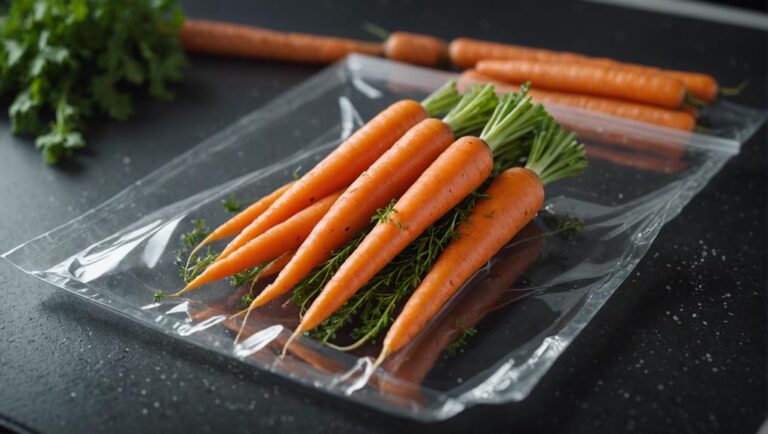
Achieve a rich and flavorful chicken and vegetable broth using precise sous vide techniques. Seal chicken bones, carrots, celery, and onion in a vacuum bag. Immerse in a water bath at a specific temperature for best flavor infusion. This method guarantees even cooking and maximum flavor retention. Discover how to elevate your culinary creations with enhanced ingredient absorption and controlled temperature cooking. Your broth will be aromatic, infused with herbs and spices, and bursting with delicious flavors. Uncover the secrets to perfecting your sous vide broth for a truly exceptional dining experience.
What You Will Learn Here
- Sous vide method enhances flavor absorption in chicken and vegetable broth.
- Chef Chris Holland excels in creating flavorful broths using sous vide techniques.
- Ingredients like chicken bones, carrots, celery, and onions are essential for the broth.
- Precision cooking in a water bath ensures even flavor distribution and nutrient retention.
- Vacuum sealing aids in efficient flavor transfer and aroma infusion in the broth.
Origin of Sous Vide

The origin of sous vide cooking dates back to the 1970s in France, where it was developed as a method to preserve and cook foie gras. Sous vide, translating to 'under vacuum' in French, gained popularity through Chef Georges Pralus' innovative use of the technique.
Pralus not only cooked foie gras but also recognized its potential for enhancing the flavors and textures of various foods.
Sous Vide History
Originating in France during the 1970s, the sous vide cooking technique revolutionized culinary practices with its precise temperature control and vacuum-sealed cooking method. Chef Georges Pralus is credited with developing sous vide for restaurant use. The term 'sous vide' translates to 'under vacuum' in French. Sous vide involves cooking food in vacuum-sealed bags at precise temperatures, ensuring even cooking and best flavor retention in ingredients.
| Sous Vide History | ||
|---|---|---|
| Origin | France | 1970s |
| Innovator | Georges Pralus | |
| Meaning | 'Under Vacuum' |
Modern Culinary Technique
During the 1970s in France, the culinary landscape was forever altered by the emergence of the revolutionary sous vide cooking technique. Originally developed to cook foie gras perfectly each time, sous vide, which translates to 'under vacuum' in French, involves sealing food in plastic bags and cooking it in a precisely controlled water bath.
When it comes to Sous Vide Chicken, this technique guarantees that the meat cooks evenly throughout, retaining its natural juices and flavors. By cooking at precise temperatures, typically lower than traditional methods, sous vide allows for consistent results without the risk of overcooking.
Professional kitchens embraced this method for its ability to preserve moisture, nutrients, and taste in dishes, a quality now accessible to home cooks with affordable sous vide equipment.
Precision Cooking Method
Emerging in the 1970s culinary scene of France, the precision cooking method known as sous vide revolutionized how chefs approach achieving perfection in dishes through controlled temperature cooking. Sous vide involves vacuum-sealing ingredients in a bag and cooking them in a water bath at precise temperatures. This method guarantees even cooking, retains flavors and nutrients, and results in tender, perfectly cooked dishes.
Sous vide has gained popularity for its consistent results and the ability to cook a wide range of ingredients with precision. Chefs utilize sous vide for its ability to enhance textures, flavors, and overall quality of dishes through controlled cooking temperatures. The meticulous nature of sous vide cooking allows for a level of precision that's difficult to achieve through traditional cooking methods.
Key Ingredients for Flavor
To enhance the depth of flavor in the Sous Vide Chicken and Vegetable Broth, key ingredients like chicken bones, carrots, celery, onion, and water are essential. These ingredients work together harmoniously to create a rich and savory broth that's the foundation of many dishes. Here are some essential components for infusing the broth with flavor:
- Chicken Bones: Provide a robust and meaty taste essential for a chicken-based broth.
- Carrots: Add sweetness and depth to the broth, enhancing its overall flavor profile.
- Celery: Contributes a subtle herbal note and a invigorating essence to the broth.
- Onion: Imparts savory complexity and aromatic richness to the broth.
- Water: Serves as the base for the broth, allowing all the flavors of the ingredients to meld together seamlessly.
Sous Vide Chicken Thighs
When considering sous vide chicken thighs, one must pay attention to the key points of Sous Vide Lemon Herb Chicken, Sous Vide Chicken Breast Recipe, and Sous Vide Chicken Noodle Soup.
These recipes highlight the versatility and flavor possibilities when cooking chicken thighs sous vide.
Understanding these points will assist you in exploring various ways to elevate your sous vide chicken thigh dishes.
Sous Vide Lemon Herb Chicken
Prepare the sous vide lemon herb chicken thighs by seasoning them with a blend of lemon and herbs before vacuum-sealing for precise cooking.
The sous vide method guarantees the chicken thighs are infused with the flavors of lemon and herbs, resulting in a delicious and aromatic dish.
Here are some tips to make your sous vide lemon herb chicken thighs a success:
- Set the sous vide water bath to the desired temperature for the chicken thighs.
- Seal the seasoned chicken thighs in a vacuum-sealed bag to enhance the flavors during cooking.
- Cook the chicken thighs in the sous vide water bath for the recommended time to achieve perfect tenderness.
- Finish the chicken thighs by searing them in a hot pan for a crispy exterior.
- Serve the sous vide lemon herb chicken thighs hot and enjoy the juicy and flavorful results.
Sous Vide Chicken Breast Recipe
For a succulent and flavorful sous vide chicken breast or thighs, guarantee precise seasoning and vacuum-sealing before immersing in the water bath for best cooking results. When preparing Sous Vide Chicken, remember these key steps to achieve perfection:
- Season chicken breasts or thighs generously with your preferred herbs and spices.
- Vacuum-seal the seasoned chicken to make sure flavors are locked in during the cooking process.
- Set the sous vide water bath to the desired temperature (typically around 140-165°F).
- Cook the chicken for the recommended time based on its thickness to achieve peak tenderness.
- Finish the chicken by searing it in a hot pan or grill for a crispy exterior while maintaining the juiciness from sous vide cooking.
Sous Vide Chicken Noodle Soup
To master the art of creating Sous Vide Chicken Noodle Soup using chicken thighs, precise temperature control and strategic ingredient combinations are instrumental. When preparing this comforting dish, consider the following:
- Sous Vide Chicken Noodle Soup utilizes Anova Sous Vide Precision Cooker for precise temperature control.
- Ingredients for the soup include a whole chicken, chicken stock, carrots, celery, onion, bay leaf, and egg noodles.
- The cooking process involves setting the cooker to 150°F and cooking the ingredients in a bag for 6 hours.
- Finishing steps include shredding the chicken, boiling the soup, adding noodles, simmering with chicken, seasoning, and serving.
- This recipe serves 8, incorporating traditional soup ingredients with a modern sous vide cooking technique.
Sous Vide Infusion Techniques
When using sous vide infusion techniques, you'll optimize flavor extraction by cooking ingredients at precise temperatures for extended periods.
Vacuum sealing ingredients in a bag before sous vide cooking intensifies flavors and infuses liquids with aromatics efficiently.
Infusing herbs, spices, and aromatics into liquids through sous vide results in a more concentrated and flavorful end product.
Flavorful Infusion Methods
Employing sous vide infusion techniques in culinary applications guarantees the thorough and even distribution of flavors through precise temperature control. By vacuum sealing ingredients in a bag and immersing them in a water bath, flavors infuse evenly and thoroughly. Infusion times vary based on ingredients, typically ranging from a few hours to several days.
Sous vide infusion allows for intense flavor extraction, enhancing broths, sauces, and beverages. Chefs prefer this method for maintaining ingredient integrity and consistency in results. This technique provides a controlled environment for flavor development, ensuring a depth of taste that's hard to achieve through traditional methods.
Experimenting with different infusion times and ingredient combinations can lead to unique and exceptional culinary creations when using sous vide infusion techniques.
Precision Cooking Techniques
Sous vide infusion techniques revolutionize the culinary landscape by guaranteeing precise and consistent flavor distribution through vacuum-sealed, temperature-controlled cooking. By immersing the sealed ingredients in a water bath at a specific temperature for an extended period, the flavors and aromas infuse uniformly into the food.
The water bath provides a stable and even heat environment, allowing for controlled cooking without the risk of overcooking. This method enhances ingredient tenderness and texture while preserving essential nutrients and juices. The precise temperature control prevents flavor loss and ensures that each bite is packed with intense taste.
Chefs can rely on sous vide infusion techniques to achieve reliable and high-quality results consistently, making it a valuable tool in the culinary world.
Enhanced Ingredient Absorption
To enhance ingredient absorption in sous vide cooking, consider utilizing vacuum sealing for more effective flavor penetration. When ingredients are vacuum-sealed in a bag, it removes air pockets and allows the water to efficiently transfer flavors into the food.
The absence of air in the sealed bag creates a perfect environment for ingredients to absorb the infused water, herbs, spices, and aromatics. This process guarantees that the flavors are evenly distributed and deeply permeate the chicken and vegetables, resulting in a broth that's rich and full of taste.
The controlled temperature of sous vide cooking further aids in enhancing ingredient absorption, as it optimizes the infusion of flavors into the broth. By utilizing vacuum sealing and precise temperatures, you can achieve a more flavorful and aromatic broth for your culinary creations.
Final Thoughts
In considering the insights provided, it's evident that Chef Chris Holland's dedication to sous vide education and technological advancement in the culinary field sets a high standard for aspiring chefs and the future of the UK food industry. Holland's expertise in creating flavorful chicken stock through sous vide techniques showcases his commitment to enhancing culinary experiences. By infusing natural flavors and utilizing precise temperature control, he elevates traditional broth-making methods, resulting in a rich and aromatic base for various dishes.
Holland's innovative approach, emphasizing the importance of technology integration in the culinary sector, not only enhances the quality of food produced but also paves the way for advancements in training and recruitment within the industry. His passion for food and travel drives him to continuously explore new techniques, ensuring he stays at the forefront of the evolving food scene. As a leading figure in sous vide education, Holland's influence extends beyond his culinary creations, shaping the future landscape of gastronomy and inspiring a new generation of chefs to push boundaries and embrace innovation.
Frequently Asked Questions
Can You Sous Vide Chicken and Vegetables Together?
You can definitely sous vide chicken and vegetables together. This method allows flavors to meld, ensuring a delicious outcome. Sous vide pairing simplifies cooking and enhances taste. Try it for a convenient, nutrient-rich meal that bursts with flavor.
Can You Use a Sous Vide in Broth?
Yes, you can use a sous vide for making dessert. It offers precise temperature control, ensuring even cooking and flavor extraction. Sous vide desserts retain nutrients and enhance taste. Simplify your dessert-making process with this method.
Why Is My Sous Vide Chicken Rubbery?
To troubleshoot rubbery texture in sous vide chicken, maintain precise temperature control and cook within recommended time frames. Overcooking at high temps or extended times can cause rubberiness. Use a meat thermometer and rest before searing.
Is It Safe to Sous Vide Chicken at 145 Degrees?
Yes, it's safe to sous vide chicken at 145 degrees. Precise temperature control guarantees safety. Cooking for at least 9.2 minutes guarantees pasteurization. Lower temps in sous vide are fine due to extended cooking. Enjoy your perfectly cooked chicken!
Conclusion
To sum up, sous vide cooking offers a precise and controlled method for creating flavorful dishes like chicken and vegetable broth. By sealing ingredients in a vacuum-sealed bag and cooking them at a consistent temperature, you can achieve perfectly cooked and infused dishes every time.
Experiment with different infusion techniques to elevate the flavors in your sous vide creations and enjoy the delicious results. Sous vide is a game-changer in the culinary world for those seeking consistently excellent outcomes.