Sous Vide Butternut Squash Soup

So, you want to jazz up your butternut squash soup game? Well, sous vide is the answer! By slow-cooking your ingredients in a water bath, flavors merge into a symphony of deliciousness. Think rosemary, thyme, cumin – all adding a punch to your bowl. Locking in those flavors means each spoonful is a taste explosion. Oh, and don't forget the final touches; a sprinkle of salt, dash of pepper, hint of nutmeg – pure magic! Get ready to elevate your soup experience to a whole new level of velvety goodness. Your taste buds will thank you!

What You Will Learn Here
- Sous vide method ensures slow, even cooking for perfectly melded flavors.
- Infuse herbs like rosemary and thyme for enhanced taste in butternut squash soup.
- Spices such as cumin, nutmeg, and curry powder elevate the flavor profile.
- Lock in rich flavors with sous vide, resulting in a luxurious taste experience.
- Season carefully with salt, pepper, and nutmeg to enhance the final touch of butternut squash soup.
Soup's Origin Story

Ever wondered about the fascinating journey of soup throughout history? From its humble beginnings to the diverse variations found in different cultures, soup has quite the tale to tell.

Let's explore the historical roots, the evolution of this comforting dish, and the intriguing cultural variations that make soup a beloved culinary tradition worldwide.

Soup's Historical Roots
In tracing the origins of soup, one must venture back to ancient civilizations where the concept of combining ingredients in a broth first emerged. Picture this: early humans huddled around a bubbling pot, pondering the perfect mix of veggies and meats – the OG soup recipe creators!

Soups were like the ancient version of a smoothie bowl – packed with nutrients and goodness. Those clever folks knew that soup wasn't just delicious; it also had soup benefits (pun intended). From warming bellies on chilly nights to nursing the sniffles away, soup was the ultimate comfort food.
Evolution of Soup
Tracing the evolution of soup takes you on a journey through the ages, revealing the transformative story of this beloved culinary creation. Imagine our ancestors stirring pots over crackling fires, experimenting with ingredients to create the perfect comfort food.
Soup has come a long way from its humble beginnings. From simple broths to complex bisques, the innovation in soup-making has been nothing short of soup-erb. As civilizations flourished, so did soup recipes, incorporating spices, meats, and vegetables in delicious ways.
The evolution of soup mirrors the evolution of human taste buds – always changing, adapting, and improving. So, next time you slurp a steaming bowl of soup, remember you're tasting a bit of history and a whole lot of delicious innovation.
Cultural Soup Variations
Exploring the diverse cultural variations of soup reveals a rich tapestry of flavors and traditions that showcase the unique essence of different communities. Cultural adaptations in soups often stem from the availability of local ingredients and the historical influences that have shaped a region's culinary practices.
From the hearty minestrone in Italy to the spicy tom yum in Thailand, soup reflects regional preferences and tells a story of tradition and innovation. Each culture puts its own twist on this comforting dish, whether it's adding coconut milk for richness or a kick of chili for heat.
Key Soup Components
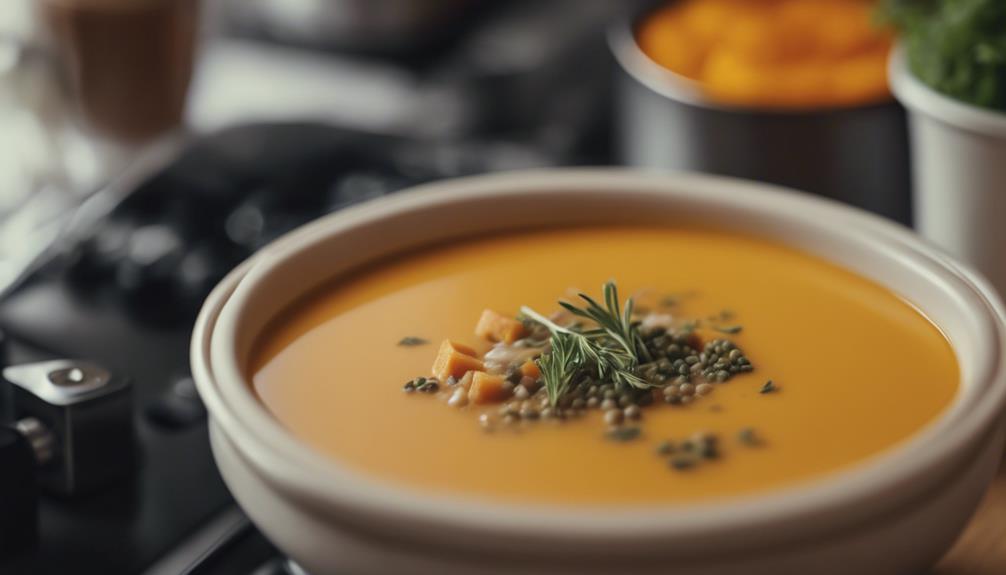
Consider incorporating these essential elements to elevate the flavor and texture of your butternut squash soup.
- Flavorful Ingredients:
- Start with a good quality butternut squash, onions, garlic, and a hint of nutmeg for that extra oomph.
- Don't forget to add some vegetable or chicken broth to enhance the soup's depth of flavor.
- Cooking Methods:
- Roast your butternut squash before blending it into a soup to intensify its natural sweetness.
- Using a slow cooker or a sous vide method can help develop rich flavors while keeping the soup velvety smooth.
These key components will take your butternut squash soup from basic to brilliant. So, grab those ingredients, fire up your cooking method of choice, and get ready to impress your taste buds with a bowl of deliciousness!
Top-Rated Butternut Soup Variations
So, you're into butternut squash soup but looking to mix things up a bit?
How about trying a velvety butternut blend, a creamy butternut bisque, or perhaps a spiced butternut squash puree?
These variations can take your butternut squash soup game to a whole new level of deliciousness!
Time to get creative in the kitchen and give these top-rated butternut soup variations a whirl.
Velvety Butternut Blend
For a lusciously smooth butternut soup, consider blending in cream to create a velvety texture that elevates the flavors. When aiming for that perfect autumn comfort soup, the velvety butternut blend hits all the right spots. Here's how to nail it:
- Add a splash of heavy cream: This luxurious ingredient will give your soup that silky smooth texture you crave.
- Roast the butternut squash: Enhance those autumn flavors by roasting the squash before blending it into the soup.
- Season with warm spices: A pinch of nutmeg or cinnamon can take your soup from good to gourmet.
- Garnish with a drizzle of olive oil: A finishing touch of good quality olive oil can add a layer of richness to your velvety creation.
Creamy Butternut Bisque
To create a top-rated variation of butternut soup, aim for a creamy butternut bisque that will delight your taste buds with its rich and velvety texture. Imagine this: a warm bowl of creamy goodness, seasoned to perfection.
Here are some tips to nail that creamy butternut bisque:
- Blend the cooked butternut until smooth for that luxurious creamy texture.
- Incorporate a splash of cream or coconut milk for extra richness.
- Season with a mix of savory spices like nutmeg, cinnamon, or a hint of cayenne for that flavor punch.
- Garnish with a swirl of cream and some toasted nuts for a fancy finish.
With these tricks up your sleeve, you'll be slurping up this velvety bisque in no time!
Spiced Butternut Squash Puree
Enhance the flavor of your butternut soup repertoire with a delectable Spiced Butternut Squash Puree, sure to tantalize your taste buds with its aromatic spices and smooth texture. If you're ready to take your soup game up a notch, this spicy puree is the way to go. Here's why you'll love it:
- Roasted butternut: The deep, caramelized flavor of roasted butternut adds a rich dimension to the puree.
- Spicy kick: A blend of spices like cinnamon, cumin, and a pinch of cayenne pepper gives this puree a flavorful kick.
- Velvety smooth: Whip up a creamy, velvety smooth puree that will have you reaching for seconds.
- Versatile goodness: Spread this spiced puree on toast, use it as a dip, or simply enjoy it as a comforting soup.
Sous Vide Cooking Technique
When it comes to sous vide cooking, think of it as your kitchen's very own temperature wizard – it's all about that precise temperature control.
Imagine your food getting a spa treatment, with even cooking distribution making sure every bite is just right.
Plus, let's not forget the flavor party that happens when your ingredients marinate in their own juices – it's like a tasty infusion extravaganza!
Precise Temperature Control
Achieve precise temperature control in sous vide cooking by utilizing a reliable immersion circulator.
When it comes to sous vide, temperature accuracy is key. An immersion circulator guarantees that your butternut squash soup cooks at the exact temperature you desire, with no guesswork involved.
This level of control guarantees cooking precision, resulting in a perfectly cooked dish every time. No more worrying about overcooking or undercooking your ingredients; with the immersion circulator doing its magic, you can sit back and relax knowing that your soup will turn out just right.
Even Cooking Distribution
For ideal cooking distribution in sous vide cooking, make sure that your butternut squash soup is evenly submerged in the water bath. This guarantees temperature consistency throughout the cooking process, allowing for even cooking and texture enhancement.
Picture your squash cubes all cozy in their water jacuzzi, soaking up flavors and getting tender in all the right places. By ensuring each piece is happily bathing in the warm water, you ensure that every spoonful of your soup will be a delightful blend of flavors.
Enhanced Flavor Infusion
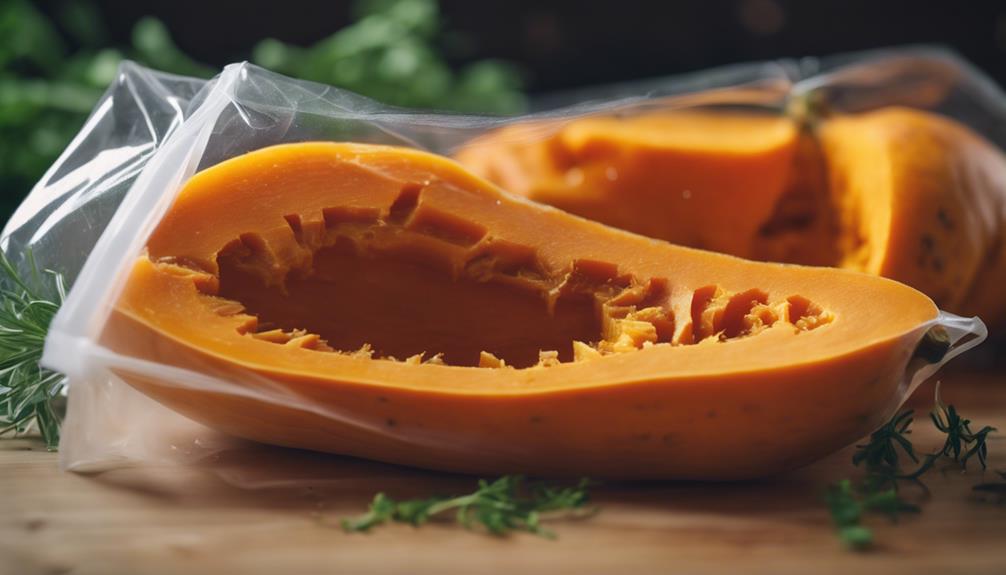
To guarantee the flavor infusion in your sous vide butternut squash soup, consider incorporating aromatic herbs and spices into the vacuum-sealed bag along with the squash cubes. This culinary technique allows the flavors to meld together beautifully as the ingredients cook low and slow in the water bath.
By adding herbs like rosemary, thyme, or spices such as cumin, nutmeg, or curry powder, you can elevate the taste profile of your soup to a whole new level. The sous vide method guarantees that the flavors are locked in, resulting in a rich and well-rounded taste experience.
Final Thoughts
Consider the overall balance of flavors and adjust seasoning as needed before serving.
After all that careful cooking with sous vide and the infusion of flavors, it's time to give your butternut squash soup that final touch. Seasoning is where the magic happens – a little sprinkle of salt here, a dash of pepper there, maybe a hint of nutmeg to elevate those seasonal ingredients.
Don't be afraid to taste as you go; it's like being your own soup sommelier.
Frequently Asked Questions
Can I Substitute Butternut Squash With Other Types of Squash?
Yes, you can substitute butternut squash with other varieties like acorn or kabocha squash. Each squash brings unique flavors. Consider adjusting cooking techniques for different squash types to maintain textures and flavors.
Is It Necessary to Peel the Butternut Squash Before Cooking?
You should peel butternut squash before cooking for a smoother texture and enhanced flavor profile. Although the skin is edible, peeling guarantees the best taste and texture. It also helps retain the nutritional benefits and reduces cooking time.
How Can I Adjust the Thickness of the Soup?
To adjust the texture of your soup, simply blend in more broth or cream for a thinner consistency, or add cooked potatoes or pureed vegetables for a thicker feel. Experiment with spices and herbs to enhance the flavor and achieve the perfect seasoning balance.
Can I Freeze the Sous Vide Butternut Squash Soup?
Yes, you can freeze the soup. To maintain quality, consider portioning it into airtight containers or freezer bags. Label with the date for easy tracking. Thaw in the fridge overnight before reheating for best results.
What Are Some Creative Garnish Ideas for Serving the Soup?
For a visually appealing presentation, consider artful arrangements of flavorful toppings like spiced pepitas, a drizzle of coconut cream, or a sprinkle of fresh herbs. Elevate your dish with a touch of creativity.
Conclusion
So there you have it, folks! With sous vide cooking, you can whip up a delicious butternut squash soup that will have your taste buds doing a happy dance.
Say goodbye to bland soups and hello to flavor town! So grab your immersion circulator, get those veggies cooking, and get ready to impress your friends and family with your newfound culinary skills.
Happy cooking!