Edamame With Sea Salt

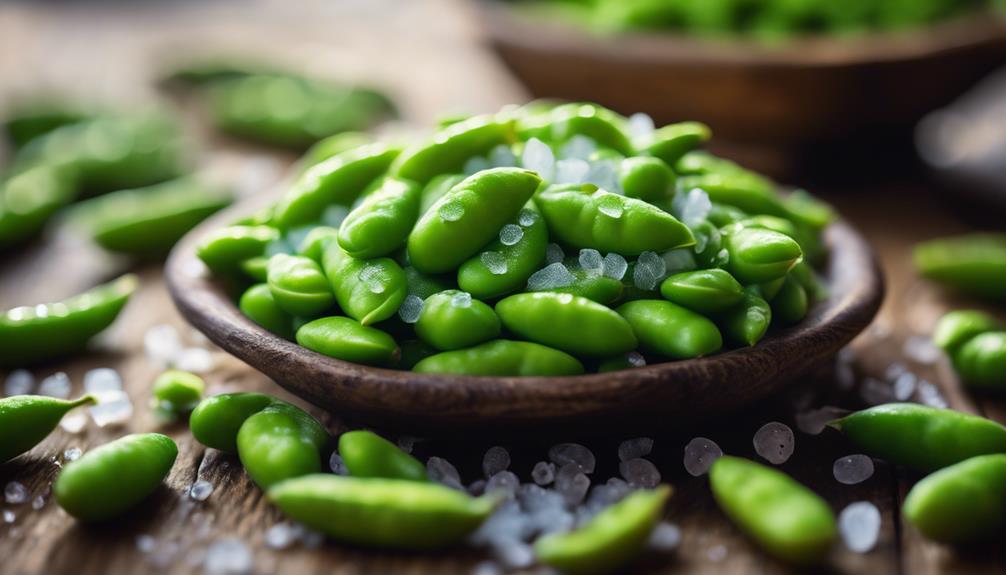
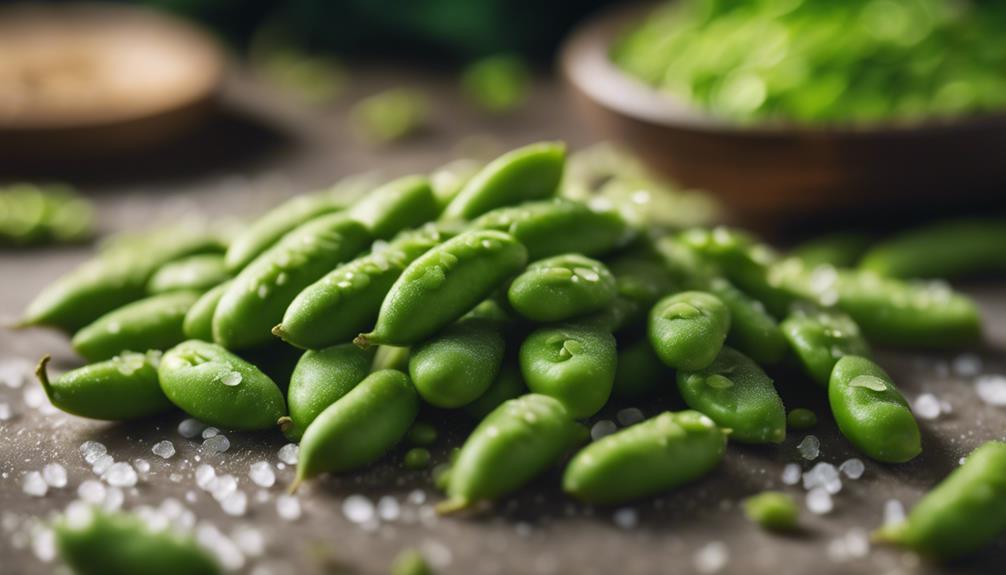
Want a tasty, healthy treat? Try edamame with sea salt! This Asian gem packs a punch with protein, fiber, and vitamins. Plus, it's super easy – just boil or steam in the pods and sprinkle some sea salt for extra flavor. Edamame isn't just a snack; it's a cultural icon symbolizing togetherness and good health. And guess what? There's more to discover about its nutrient-rich goodness and unique dip variations! So, ready to immerse yourself in the world of edamame?

What You Will Learn Here
- Enhances edamame's natural flavor
- Adds a subtle salty taste
- Complements edamame's nutritional benefits
- Provides a simple yet delicious seasoning
- Preserves the wholesome goodness
Edamame's Asian Origins
So, you're getting ready to set off on a journey through the fascinating world of edamame's Asian roots.

Let's discuss the rich history of this beloved legume, how it's traditionally prepared in Asian cuisine, and why it holds such cultural significance in many Asian countries.

Get ready to uncover the secrets behind this humble yet mighty soybean!

Asian Edamame History
Edamame, originating from Asia, has a rich history that dates back centuries. Asian cultivation of edamame has been traced to ancient times, where it was cherished for its nutritional benefits. These little green soybeans were like the superheroes of the Asian diet – packed with protein, fiber, and essential vitamins.
Imagine farmers thousands of years ago tending to their edamame fields, whispering words of encouragement to their little green pods. 'Grow big and strong, edamame buddies, so we can enjoy your goodness!' And voila, here we're today, popping these nutritious beans like candy.
Traditional Edamame Preparation
When preparing traditional edamame, Asian culinary practices highlight the simplicity and purity of flavors found in these wholesome soybeans. Using traditional techniques, edamame is typically boiled or steamed in their pods, then lightly salted for that perfect savory kick.
These techniques not only preserve the natural goodness of the edamame but also enhance its nutritional benefits. Edamame is a powerhouse of nutrients, packed with plant-based protein, fiber, and various vitamins and minerals.
Cultural Significance of Edamame
Originating in Asia, edamame holds cultural significance as a traditional and nutritious staple in many Asian cuisines. Cultural customs often revolve around the preparation and consumption of edamame, with the act of sharing a bowl of these young soybeans symbolizing unity and togetherness in many Asian communities.
These little green pods have gained global popularity not only for their delicious taste but also for their health benefits. From Japanese izakayas to Chinese dim sum restaurants, edamame has found its way onto menus worldwide, charming taste buds with its simplicity and flavor.
Edamame's Nutrient-Rich Profile
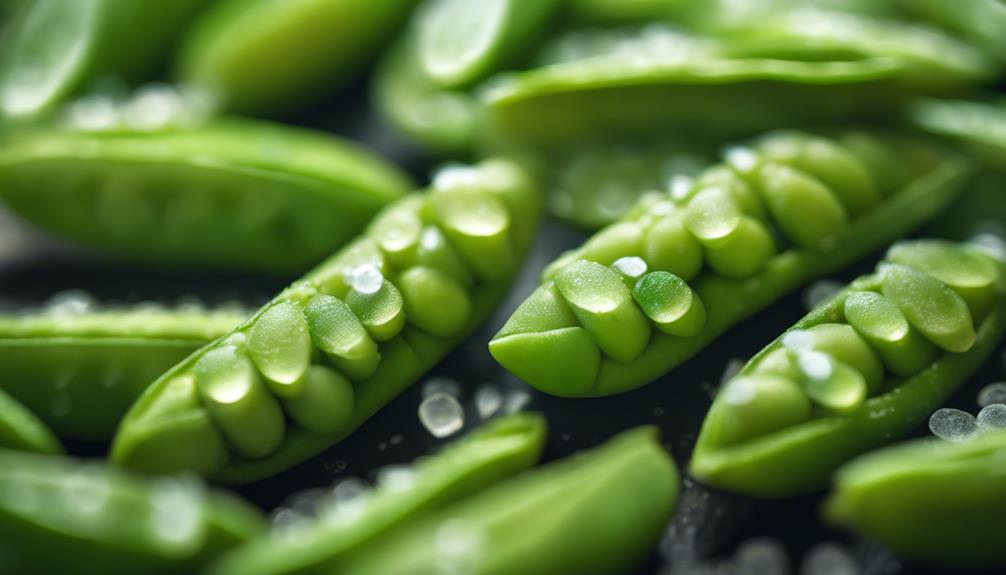
Rich in essential nutrients, including protein, fiber, and vitamins, edamame stands out as a powerhouse of health benefits. So, why should you munch on these little green beans? Let's break it down for you:
- Protein Powerhouse: Edamame is a fantastic plant-based source of protein, making it an excellent option for vegetarians and vegans looking to boost their protein intake without sacrificing taste.
- Fiber Fix: Need a little help in the digestion department? Edamame's high fiber content has got your back! It keeps things moving smoothly and helps you feel full and satisfied.
- Vitamin Victory: Packed with essential vitamins like folate, vitamin K, and vitamin C, edamame not only tastes great but also helps support your overall health and well-being.
In a nutshell, edamame isn't just a tasty snack – it's a nutrient-packed superstar that can keep you feeling good from the inside out!
Edamame Dip Variations
Hey, ready to jazz up your snack game?
How about trying out some Edamame Dip Variations? You've got options like:
- Sesame-Ginger Edamame Dip
- Edamame Hummus Delight
- Edamame Guacamole Twist
These variations will take your edamame experience to a whole new level of deliciousness.
Sesame-Ginger Edamame Dip
To create a flavorful variation of edamame dip, consider adding a touch of sesame and ginger for a unique twist. If you want to amp up your snack game, this sesame-ginger edamame dip is the way to go. Here are three tips to make your taste buds do a happy dance:
- Blend it Smooth: Throw those edamame beans into a food processor with a generous sprinkle of sesame seeds and a kick of fresh ginger. Blend until smooth like a fancy spa treatment for your veggies.
- Season to Perfection: Don't forget to add a pinch of salt, a drizzle of sesame oil, and a splash of soy sauce for that umami goodness.
- Serve with Style: Scoop up this flavor explosion with crunchy veggie sticks or crispy pita chips and be prepared for a dip delight!
Edamame Hummus Delight
For a delightful twist on traditional hummus, consider incorporating edamame into your dip recipe. Edamame spread adds a unique flavor and a vibrant green color to your dip, making it a visually appealing appetizer.
Here are three ways to elevate your hummus game with edamame:
- Creamy Texture: Blend cooked edamame with chickpeas and tahini for a smooth and creamy texture that will have your taste buds dancing.
- Zesty Kick: Add a squeeze of lemon juice and a sprinkle of cumin to give your edamame hummus a flavorful punch that will leave you craving more.
- Garnish Galore: Top your edamame dip with a drizzle of olive oil, a sprinkle of paprika, and some chopped fresh herbs for a picture-perfect and flavorful appetizer.
Edamame Guacamole Twist
Consider giving your traditional guacamole a flavorful twist by incorporating edamame for a unique and delicious dip experience. When it comes to the Edamame guacamole fusion, you can expect a creamy texture with a hint of nuttiness that complements the richness of avocados perfectly.
Here are some unique edamame recipes to try out:
- Edamame Guacamole Dip: Blend edamame, ripe avocados, lime juice, garlic, and cilantro for a vibrant green dip that pairs well with crispy tortilla chips.
- Spicy Edamame Avocado Salsa: Mix edamame, diced avocado, tomatoes, jalapeños, and a squeeze of lemon for a zesty salsa with a kick.
- Edamame Guacamole Stuffed Mini Peppers: Stuff mini peppers with a mixture of edamame guacamole for a bite-sized appetizer that's both cute and delicious.
Edamame Blanching Technique
So, let's talk about blanching edamame – it's like a quick dip in hot water to keep that vibrant green color intact.
By blanching, you're basically hitting pause on the cooking process, locking in all that natural flavor.
Quick Blanching Process
To quickly blanch edamame, bring a pot of water to a boil. This quick blanching process is crucial for locking in those vibrant green colors and retaining the perfect crunch. Here's a nifty table to guide you through this edamame adventure:
| Quick Blanching Process Steps | Time |
|---|---|
| Step 1: Boil water | 2 min |
| Step 2: Add edamame | 3 min |
| Step 3: Drain and cool | 1 min |
| Step 4: Sprinkle sea salt | – |
| Step 5: Enjoy! | – |
Following these steps will ensure your edamame is bursting with flavor and nutrients while maintaining that delightful texture. So, go ahead, give it a try and impress your taste buds!
Retaining Vibrant Green
For vibrant green edamame, blanching quickly in boiling water is essential to preserve its color and texture. To keep that gorgeous green color intact, make sure not to overcook your edamame. The trick is to dunk them in boiling water for just a few minutes until they're bright and crisp.
This cooking technique helps lock in the green color while maintaining that perfect crunch. By blanching your edamame swiftly, you're not only retaining the vibrant green but also locking in the freshness and flavor.
Preserving Natural Flavor
Preserve the natural flavor of your edamame by mastering the blanching technique. When it comes to preserving freshness and enhancing flavor, blanching is your best friend.
This simple yet vital step involves boiling the edamame for a short time and then plunging them into ice water to stop the cooking process. By doing this, you lock in the vibrant green color and natural sweetness of the edamame while maintaining a satisfying crunch.
The blanching technique not only helps retain the nutritional value of the edamame but also guarantees that each bite bursts with flavor. So, next time you're cooking edamame, remember the power of blanching—it's the secret ingredient to perfectly preserving that fresh, delicious taste!
Final Thoughts
Considering the delicious simplicity of this edamame dish, it's clear that sometimes the most straightforward recipes are the most satisfying. When it comes to culinary exploration, it's easy to get lost in a sea of complicated ingredients and fancy techniques. Yet, here we are, appreciating the humble edamame sprinkled with sea salt, a dish so simple yet so flavorful. Who knew that health benefits could taste this good, right?
As you bid farewell to this article, remember that good food doesn't always have to be complicated. Sometimes, a little sprinkle of sea salt on edamame is all you need to satisfy your taste buds and nourish your body. So, next time you're feeling overwhelmed in the kitchen, just remember this delightful snack—it's like a little green bean of wisdom reminding you to keep it simple and delicious. Good luck on your culinary adventures, and may your edamame always be perfectly salted!
Frequently Asked Questions
Can Edamame Be Grown in Home Gardens?
Yes, edamame can be grown in home gardens. It's a sustainable choice for home gardening, offering fresh produce and a rewarding experience. With proper care and attention, you can enjoy the benefits of growing edamame.
Is There a Difference Between Edamame and Regular Soybeans?
Yes, there are differences between edamame and regular soybeans. Nutritional variations exist, with edamame having higher protein and fiber. Culinary uses diverge too; edamame is often enjoyed as a snack or appetizer, while soybeans are processed into various products.
Are There Any Potential Allergic Reactions to Edamame?
If you have potential allergies to edamame, watch for symptoms like itching or swelling. Take precautions by avoiding it if needed. Treatment may involve antihistamines. Cross reactivity with other legumes is possible, so be cautious.
Can Edamame Pods Be Eaten Raw?
When it comes to eating habits, remember that edamame pods should not be consumed raw. Cooking them is essential to make them safe to eat and to fully enjoy their nutritional benefits.
How Long Can Edamame Be Stored in the Freezer?
To store edamame in the freezer properly, follow these steps: Seal in airtight bags, removing excess air. This freezing process maintains freshness for about 8-12 months. Label with a date for easy tracking. Enjoy your preserved edamame!
Conclusion
So, next time you're craving a snack that's both tasty and nutritious, reach for some edamame with sea salt!
Not only does it pack a punch of protein and fiber, but it's also a fun snack to munch on.
Whether you enjoy it as a dip, a side dish, or just straight out of the pod, edamame is sure to satisfy your cravings and keep you feeling energized.
Give it a try and see for yourself!