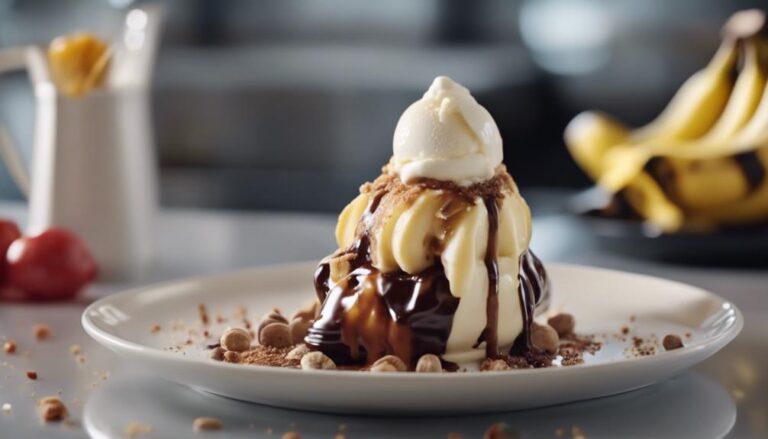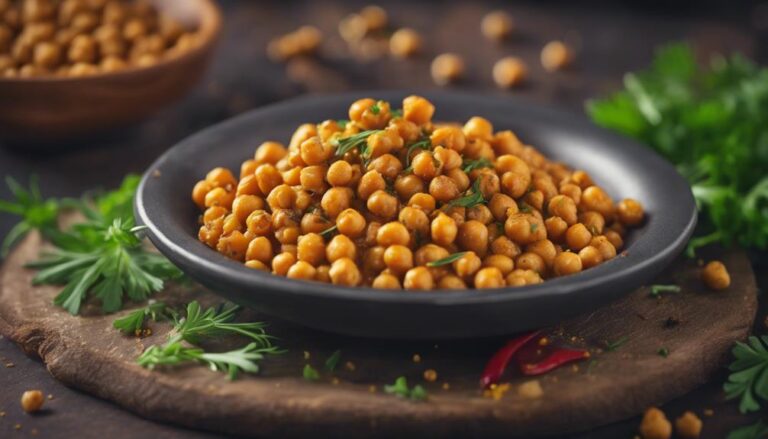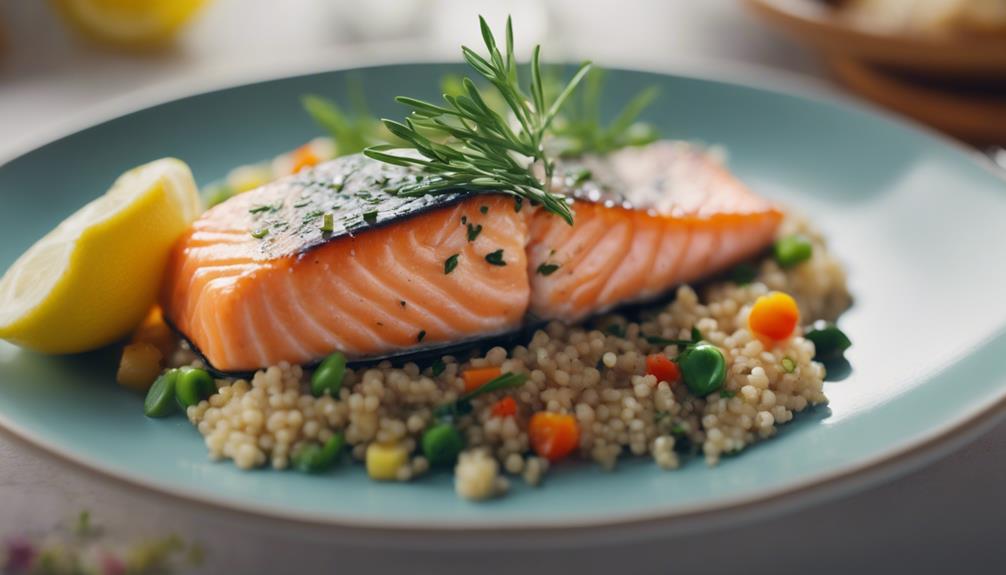
Cholesterol Check: Elevating Heart Health With a Low Cholesterol Diet and Sous Vide Cooking
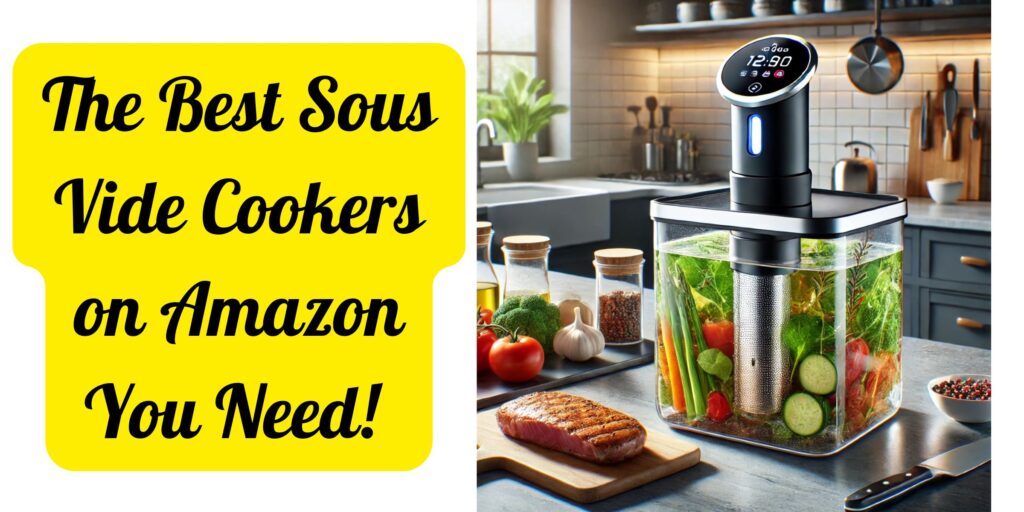
Elevating your heart health with a low cholesterol diet and sous vide cooking? Smart move! Focus on lowering LDL cholesterol by nixing those artery-clogging foods. Opt for high-fiber, heart-healthy choices like whole grains and veggies. In the kitchen, sous vide's your best bud for retaining nutrients and flavors in lean proteins and veggies. Keep tabs on your cholesterol levels and track improvements in heart health – you'll thank yourself later! Remember, a healthier heart is just a low cholesterol diet and some sous vide magic away. Further info on boosting heart health and delicious meals awaits.
What You Will Learn Here
- Low cholesterol diet aids heart health by reducing artery clogging.
- Sous vide cooking retains nutrients for a heart-healthy diet.
- Regular cholesterol checks monitor heart disease and stroke risk.
- Incorporate nutrient-rich foods and lean proteins for heart health.
- Track progress in heart health with sous vide-enhanced meals.
Understanding Cholesterol and Heart Health
Understanding the impact of cholesterol on heart health is essential for making informed decisions about your overall well-being. Cholesterol, that waxy troublemaker, can sneak into your arteries and cause all sorts of chaos, putting your heart at risk. But fear not! You have the power to keep it in check. By embracing a low cholesterol diet packed with whole grains, fruits, veggies, lean proteins, and healthy fats, you can show cholesterol who's boss.
High cholesterol, especially the LDL (bad) kind, can lead to trouble by clogging up your arteries with plaque. On the flip side, HDL (good) cholesterol swoops in like a superhero to clear out the excess gunk. So, it's like a battle royale inside your body, and you want the good guys to win!
Now, let's talk about sous vide cooking. It's like the fairy godmother of cooking methods, helping you retain all the good stuff in your food without needing to drown it in fats. With sous vide, your meals can be both delicious and heart-healthy. So, next time you're in the kitchen, channel your inner chef and whip up a nutritious feast fit for a heart champion.
Importance of Regular Cholesterol Checks
To maintain peak heart health and effectively manage your cholesterol levels, scheduling regular cholesterol checks is imperative. It's like giving your heart a little high-five for all the hard work it does! By staying on top of these checks, you can keep tabs on your risk of heart disease and stroke. Think of it as your heart's way of saying, 'Hey, I'm worth checking up on regularly!'
Experts recommend getting your cholesterol levels checked every 4-6 years to keep your cardiovascular health in check. However, if you have a history of heart conditions or other risk factors, your doctor may suggest more frequent testing. It's all about staying one step ahead to catch any sneaky high cholesterol levels before they cause trouble.
Regular cholesterol checks not only help you monitor your heart's well-being but also track how effective your dietary changes and lifestyle modifications are. They provide a roadmap to making timely interventions if needed. Remember, it's all about taking care of your heart, so it can keep beating strong and steady for years to come. So, be proactive, get those checks done, and show your heart some love!
Implications of High Cholesterol Levels
High cholesterol levels pose a significant risk to your cardiovascular health, potentially leading to plaque buildup in your arteries and increasing the likelihood of heart disease and stroke. Picture your arteries as highways; when cholesterol levels are high, it's like adding extra lanes that get clogged with gunk, making it tough for blood to flow smoothly. This can spell trouble, my friend, raising your risk of heart disease and stroke like a flag on a windy day.
When we talk about cholesterol management, it's not just about cutting back on the fries and burgers (although that helps, too). We're looking at keeping those artery walls clear and traffic-free. Think of LDL cholesterol as the troublemaker – the 'bad' cholesterol that can gum up the works, while HDL cholesterol swoops in like a hero to clean up the mess. Triglycerides, another type of fat in the blood, are like those sneaky shortcuts that lead to dead ends – high levels can steer you right into heart disease territory.
Building a Low Cholesterol Diet
When planning a low cholesterol diet, focus on incorporating a variety of nutrient-rich foods and heart-healthy cooking techniques. Meal planning becomes your new best friend on this journey. Swap out those saturated and trans fats for lean proteins, colorful veggies, whole grains, and fruits that make your taste buds do a happy dance. Recipe modification is your chance to get creative – think outside the box and experiment with healthier ingredient alternatives. Flavor enhancement is key when lowering cholesterol without sacrificing taste.
Sprinkle in some herbs and spices, drizzle heart-healthy olive oil, and voila – you've got yourself a delicious low cholesterol meal.
Nutrient preservation is a fancy way of saying, 'Let's keep those good-for-you vitamins locked in!' Sous vide cooking techniques are like the superheroes of the culinary world, swooping in to save the day by cooking your food at precise temperatures while sealing in all the nutrients. It's like a spa day for your ingredients! Cooking techniques matter, and choosing methods that preserve the goodness in your food is a win-win for your taste buds and your heart.
Essential Nutrients for Heart Health
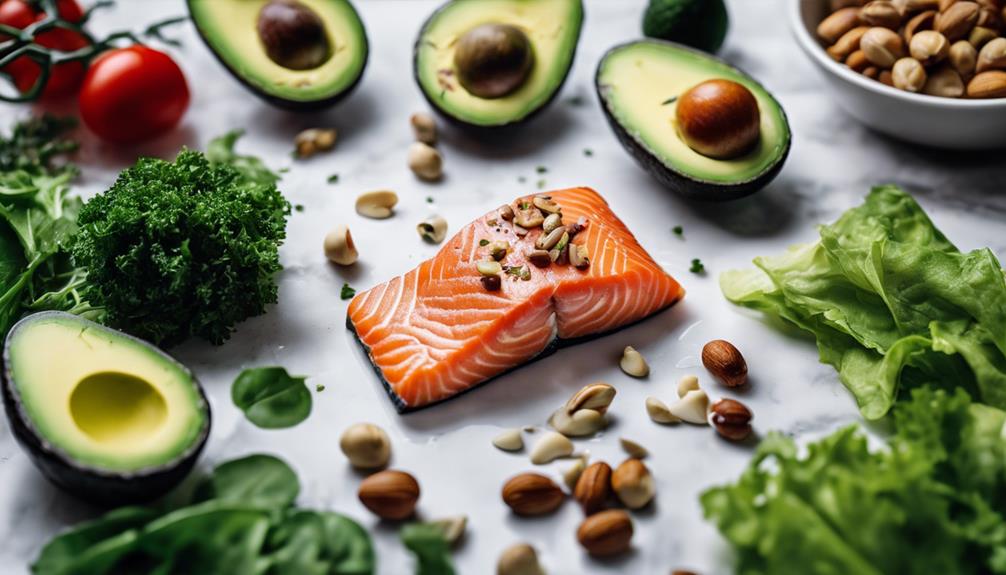
Essential nutrients crucial for maintaining heart health include omega-3 fatty acids, soluble fiber, plant sterols, antioxidants, and potassium-rich foods.
- Heart healthy fats: Omega-3 fatty acids are like the superheroes of the food world, swooping in to save the day by lowering cholesterol and keeping heart disease at bay. Think of them as the caped crusaders fighting off the evil LDL cholesterol villains.
- Nutrient rich foods: Soluble fiber from oats and barley is like a loyal sidekick, helping to lower those pesky LDL cholesterol levels and keeping your heart in tip-top shape. It's like having a trusty partner in crime against heart disease.
- Dietary antioxidants: Antioxidants are the shield that protects your blood vessels from harm, found in fruits and veggies like vitamin E and C. They're like the protective force field around your heart, keeping it safe and sound.
Benefits of a Low Cholesterol Diet
A significant role is played by a low cholesterol diet in reducing the risk of heart disease and stroke by effectively lowering levels of LDL ('bad') cholesterol. Meal planning becomes your new best friend when starting on a journey to lower cholesterol. Think colorful fruits, veggies, whole grains, and lean proteins. Swap out the saturated and trans fats for healthier options. Your heart will thank you for those healthy swaps!
Lifestyle changes may sound challenging, but fear not! It's all about making small adjustments that add up over time. Perhaps consider taking the stairs instead of the elevator or going for a brisk walk after dinner. These little changes can make a big impact on your heart health.
When it comes to recipe ideas, get creative! How about a delicious oatmeal topped with nuts and berries for breakfast? Or a hearty bean salad for lunch? The options are endless when it comes to crafting tasty, low cholesterol meals.
The nutritional benefits of a low cholesterol diet go beyond just lowering cholesterol levels. You'll likely find yourself with more energy, clearer skin, and an overall improved sense of well-being. So, why not give it a try and see how your heart sings with joy!
Introduction to Sous Vide Cooking

Sous vide cooking, a method that involves vacuum-sealing food and cooking it in a water bath at a precise low temperature, is renowned for its ability to maintain natural flavors and nutrients in the food. So why should you care about this culinary wizardry? Let's break it down for you:
- Precision Cooking: Imagine your food being cooked with the accuracy of a ninja throwing stars. Sous vide guarantees your meal is perfectly done from edge to edge, no undercooked surprises here!
- Flavor Infusion: Picture your favorite flavors cozying up to your food for a slow dance of deliciousness. Sous vide lets your ingredients mingle and create mouthwatering harmonies you won't get with traditional methods.
- Nutrient Preservation: Say goodbye to the days of nutrient loss in the cooking process. Sous vide locks in those precious vitamins and minerals, keeping your meals as nutritious as can be.
With sous vide, you're in for tender results that will make your taste buds do a happy dance. Plus, the culinary creativity it offers is like giving your inner chef a shiny new playground. So, get ready to elevate your cooking game and impress your friends with dishes that taste like they were crafted by a top chef (spoiler alert: that chef is you!).
Sous Vide Cooking and Nutrient Retention
Preserving nutrients through innovative cooking methods like sous vide is essential for maintaining a healthy diet and overall well-being. When it comes to sous vide cooking, nutrient retention is the name of the game. Imagine this: your food snug as a bug in a vacuum-sealed bag, gently cooking in a water bath at a precise temperature. This method is like a nutrient fortress, keeping all the good stuff locked in.
Not only does sous vide cooking excel at nutrient retention, but it's also a pro at flavor preservation. The natural flavors and textures of your ingredients remain intact, giving you a taste sensation like no other. Plus, with sous vide, you're the master of temperature control. Say goodbye to overcooked, mushy veggies or dry, tough meats. Sous vide ensures that your food is cooked to perfection every time.
The cooking precision of sous vide is unmatched. No more guesswork or culinary calamities. With sous vide, you have full control over the cooking process, safeguarding those delicate nutrients from the perils of overheating. So, why not immerse yourself into the world of sous vide benefits? Enjoy delicious and nutritious meals that support your heart health while relishing in the simplicity and precision of this innovative cooking technique.
Lean Proteins and Sous Vide Cooking
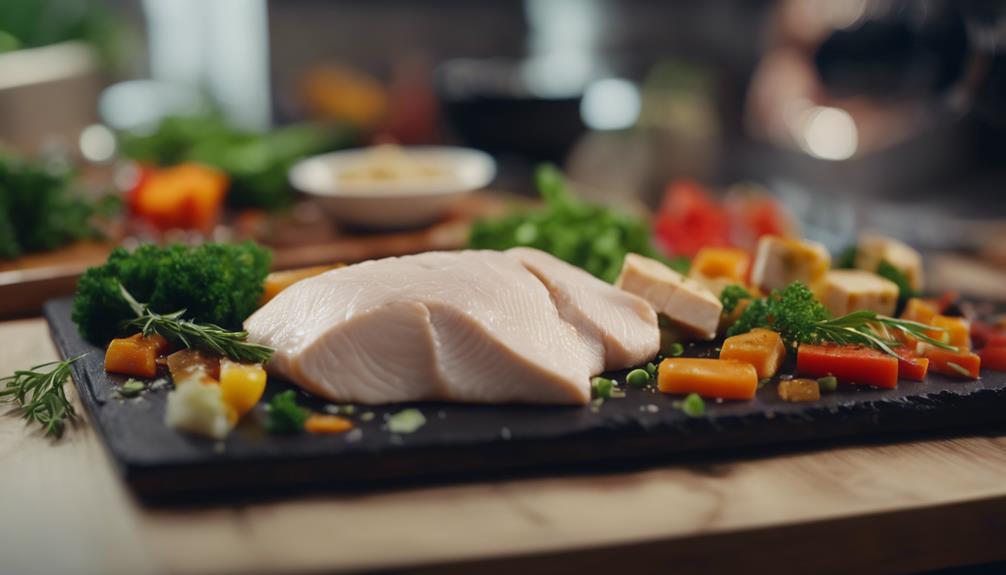
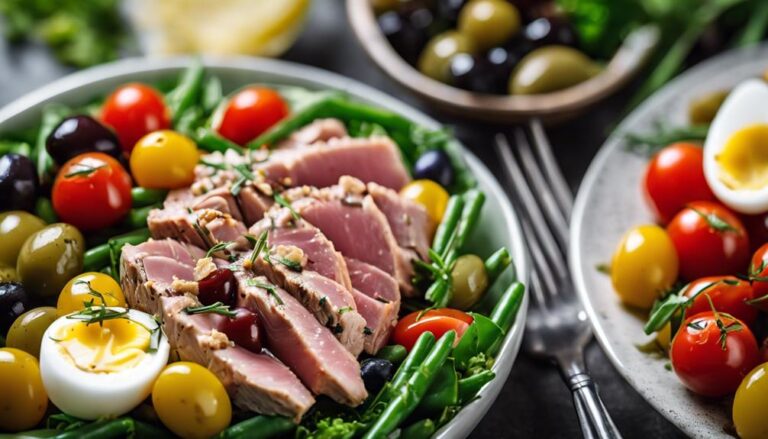
When focusing on incorporating lean proteins into your diet using sous vide cooking, you can expect enhanced retention of natural flavors and nutrients while achieving a tender and juicy texture not easily achieved through traditional methods. Sous vide cooking truly works its magic on proteins like chicken, turkey, and fish, making them tastier and healthier for your heart.
- Tender Textures: Sous vide cooking guarantees that your lean proteins turn out tender and succulent every time. Say goodbye to dry, tough meats – sous vide will have your proteins melting in your mouth.
- Flavor Infusion: With precise temperature control, sous vide allows flavors to penetrate deep into your proteins, creating a mouthwatering taste experience. It's like a party for your taste buds!
- Juicy Proteins: No more worrying about overcooked or rubbery meats. Sous vide guarantees juicy proteins that will have you coming back for more heart-healthy goodness.
Vegetables and Whole Grains in Sous Vide
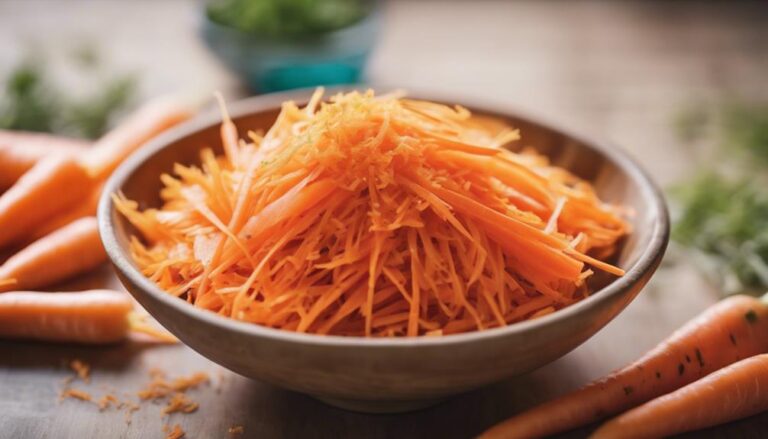
Enhance the nutritional value and flavor of your vegetables and whole grains by utilizing sous vide cooking techniques. When it comes to sous vide vegetables, you're in for a treat! This method retains more nutrients than traditional cooking styles – no more boiling the goodness away. Plus, your veggies keep their vibrant colors, guaranteeing your plate looks as appetizing as it's nutritious. With sous vide, you can infuse your whole grains with a variety of herbs and spices, making them not only delicious but bursting with flavor. Say goodbye to bland grains!
Whole grains cooked sous vide maintain their texture and flavor better than when boiled or steamed. No more mushy mess here! The precise temperature control in sous vide cooking ensures your vegetables and whole grains are evenly cooked, leaving no bite behind. So, whether you're a fan of crispy veggies or prefer your grains with a bit of bite, sous vide has got you covered.
Incorporating sous vide into your vegetable and whole grain dishes not only preserves their nutrient content but also elevates their taste to a whole new level. So, grab your favorite veggies and grains, season them up, seal them in a bag, and let the sous vide magic do its work – your heart and taste buds will thank you!
Incorporating Sous Vide Into a Low Cholesterol Diet
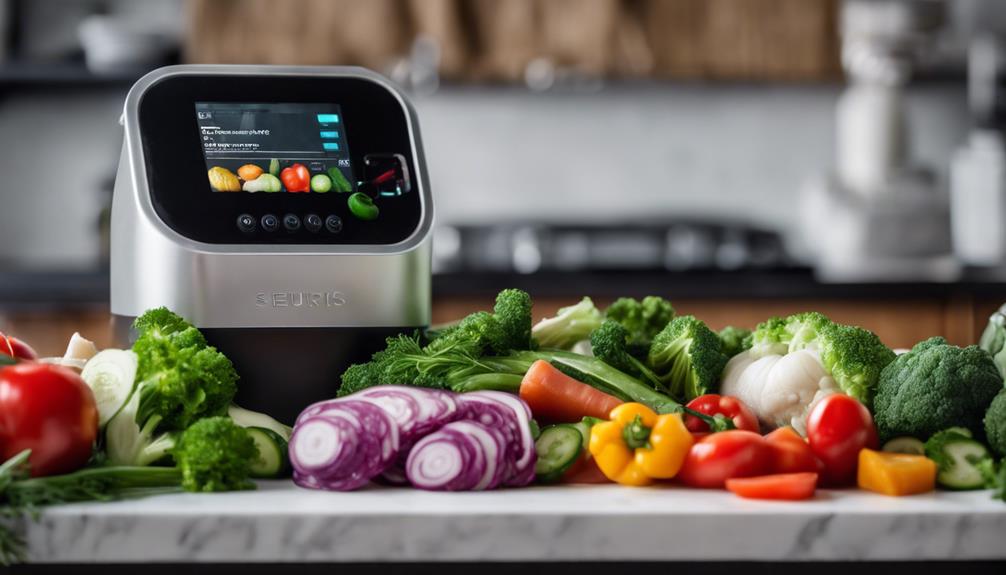
To incorporate sous vide into a low cholesterol diet effectively, consider utilizing this innovative cooking method to enhance the nutritional value and flavors of your meals. Here are some tips to help you make the most of sous vide in your heart-healthy culinary journey:
- Flavorful Textures: Sous vide cooking guarantees that your food retains its natural textures and flavors, making each bite a delightful experience without the need for excessive fats or oils.
- Nutrient Preservation: By cooking your meals in a controlled water bath at precise temperatures, sous vide helps safeguard essential nutrients, ensuring that you get the most out of your ingredients.
- Culinary Innovation: Embrace the art of sous vide to add a touch of creativity to your low cholesterol diet. Experiment with different recipes and ingredients to discover new ways to enjoy heart-healthy meals.
Incorporating sous vide into your cooking routine not only offers delicious results but also provides numerous benefits for your heart health. So, engage in the world of sous vide cooking and elevate your dishes with flavorful textures, nutrient preservation, and culinary innovation—all while embracing heart-healthy techniques.
Monitoring Progress: Heart Health and Diet
Regularly monitoring your cholesterol levels is an important step in tracking your progress towards improving heart health through dietary changes. You know what they say, 'you can't manage what you don't measure.' By keeping an eye on your cholesterol numbers, you can see how your heart health progress is coming along. It's like having a personal scoreboard for your body's well-being!
Diet monitoring plays a vital role in this game of heart health. When you stick to healthy eating habits, such as incorporating sous vide benefits into your meals, you're giving your heart the VIP treatment. Sous vide cooking helps lock in those valuable nutrients in your food, making your low cholesterol diet even more effective. It's like a magic trick that keeps your heart happy and your taste buds impressed.
Tracking improvements in your heart health doesn't have to be boring. Think of it as a fun experiment where you get to be the scientist of your own well-being. Keep choosing heart-healthy foods like fruits, veggies, whole grains, and lean proteins, and watch how your efforts pay off. With each meal, you're not just feeding yourself; you're nourishing your heart with love and care. So, keep up the good work, and let your healthy choices pave the way to a thriving heart!
Conclusion
So there you have it, folks! Keep tabs on your cholesterol, whip up some delicious sous vide meals, and watch your heart health soar.
Remember, a low cholesterol diet doesn't have to be boring – with the magic of sous vide, you can create mouthwatering dishes that are good for your heart.
Stay on track, stay healthy, and keep cooking up a storm! Your heart will thank you for it.
Cheers to good health!