Sous Vide Mango Sorbet: A Refreshing TB12 Dessert
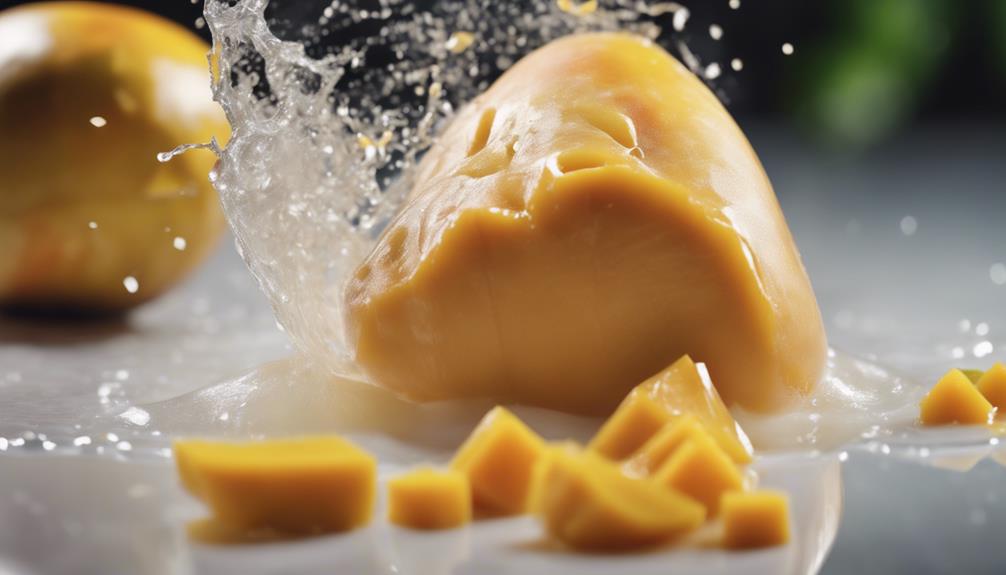
Explore the delightful TB12 Mango Sorbet, a revitalizing dessert bursting with flavors. Treat yourself to this enlivening fusion of sweet mango goodness. Enjoy the perfect blend of ingredients, including lime juice or fragrant mint, enhancing the sorbet. Customize texture by adjusting blending times for your desired consistency. Discover different fruit options like pineapple for a distinctive twist. Chill the mixture adequately before freezing to achieve a silky sorbet texture. Elevate your dessert game with this fulfilling treat. Dive further into the realm of sous vide mango sorbet for more enticing recipes and culinary delights.

What You Will Learn Here
- Create a refreshing TB12 mango sorbet using sous vide technology.
- Experiment with flavor combinations like lime juice or fresh mint.
- Chill the mango mixture for at least 4 hours for optimal consistency.
- Enhance the sorbet with toasted coconut or whipped cream.
- Enjoy the smooth texture achieved through proper chilling and freezing techniques.
Origin of Sous Vide Technology
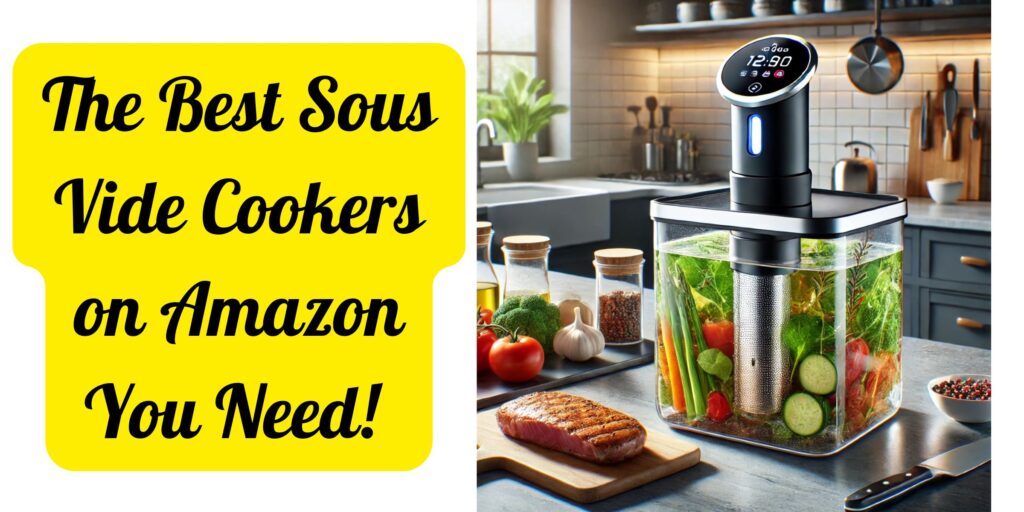
Sous Vide technology has a rich history that dates back to the 18th century when it was initially used for scientific purposes.

Over time, this method evolved, becoming popular in professional kitchens for its precise temperature control capabilities.
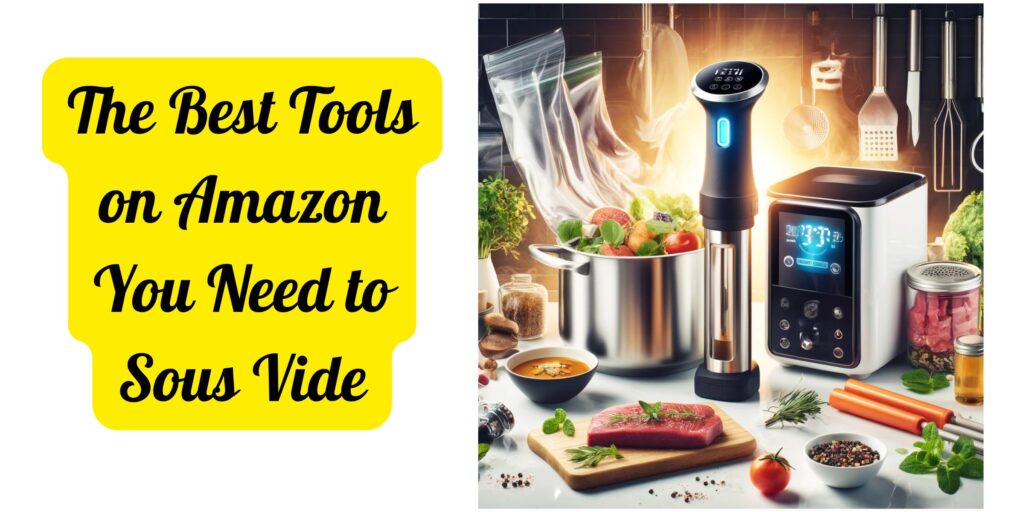
Today, Sous Vide has found its way into home kitchens, revolutionizing the way people cook and enhancing the flavors of various dishes.

Sous Vide History
The origins of the technology behind sous vide cooking can be traced back to the mid-20th century. This innovative cooking method focuses on flavor preservation through slow cooking and vacuum sealing ingredients. Originally developed as a way to maintain the quality and taste of food in the field of food science, sous vide has now made its way into home kitchens, elevating the culinary experience for many.
By using vacuum-sealed bags to cook food at precise temperatures over extended periods, sous vide allows flavors to intensify while ensuring that the texture remains consistent and tender. This technique has gained popularity for its ability to produce restaurant-quality dishes with minimal effort.
The combination of slow cooking and vacuum sealing in sous vide not only enhances the taste of ingredients but also promotes a healthier way of cooking by preserving nutrients and reducing the need for added fats or oils.
As you explore the history of sous vide, you'll discover how this method has revolutionized the way we approach cooking and savor food.
Evolution of Technology
The development of sous vide technology originated from the need to preserve food quality and flavor through precise temperature control and vacuum sealing. Technological advancements in kitchen appliances led to the creation of sous vide equipment that allowed for consistent cooking at specific temperatures, ensuring ideal taste and texture.
Sous vide benefits include enhanced flavors, increased tenderness, and improved nutrient retention in food preparation.
Early iterations of sous vide technology focused on industrial applications, primarily in the restaurant industry. As the method gained popularity for its ability to deliver perfectly cooked dishes, home sous vide machines became available, bringing restaurant-quality meals to the comfort of your kitchen.
These devices revolutionized the way people approach cooking, offering a convenient and foolproof way to achieve gourmet results.
With sous vide technology, you can now effortlessly create restaurant-worthy dishes with minimal effort, making it a valuable addition to any home chef's culinary arsenal.
The evolution of sous vide technology continues to drive innovation in the kitchen, providing aspiring chefs with the tools to elevate their cooking skills and delight their guests.
Culinary Applications Today
As sous vide technology emerged from industrial roots to become a household staple, its culinary applications today showcase a diverse range of possibilities for home cooks and professional chefs alike. Modern techniques have elevated sous vide cooking to new heights, allowing for precise temperature control and consistent results that enhance the flavors of dishes. Home cooks can now easily experiment with sous vide to create restaurant-quality meals in the comfort of their kitchens.
One of the key advantages of sous vide is its ability to infuse flavors into ingredients, leading to unique and delicious flavor combinations. Whether you're preparing a tender steak, perfectly cooked vegetables, or even delicate desserts like the mango sorbet mentioned earlier, sous vide opens up a world of culinary creativity.
Key Recipe Components
For best outcomes, make sure you have all the necessary ingredients prepared before starting the sous vide mango sorbet recipe. When preparing this delightful dessert, consider the following key components:
- Flavor Combinations:
Experiment with adding a hint of lime juice for a citrusy zing or a touch of fresh mint for a herbal twist. These additions can elevate the mango sorbet's taste profile and create a more dynamic flavor experience for those you're serving.
- Texture Preferences:
Adjust the blending time to achieve your desired texture. For a smoother sorbet, blend the mixture longer, or for a more rustic feel, leave it slightly chunky. Texture plays a invigorating role in the overall enjoyment of this dessert, so tailor it to suit your preferences and those of your guests.
- Fruit Alternatives and Sweetening Options:
If mango isn't your favorite fruit, try using other tropical fruits like pineapple or papaya. Additionally, consider sweetening options such as agave nectar or honey for a natural and healthier alternative to refined sugars. These variations can cater to different taste preferences and dietary needs, ensuring everyone can enjoy a revitalizing treat.
Sous Vide Mango Sorbet
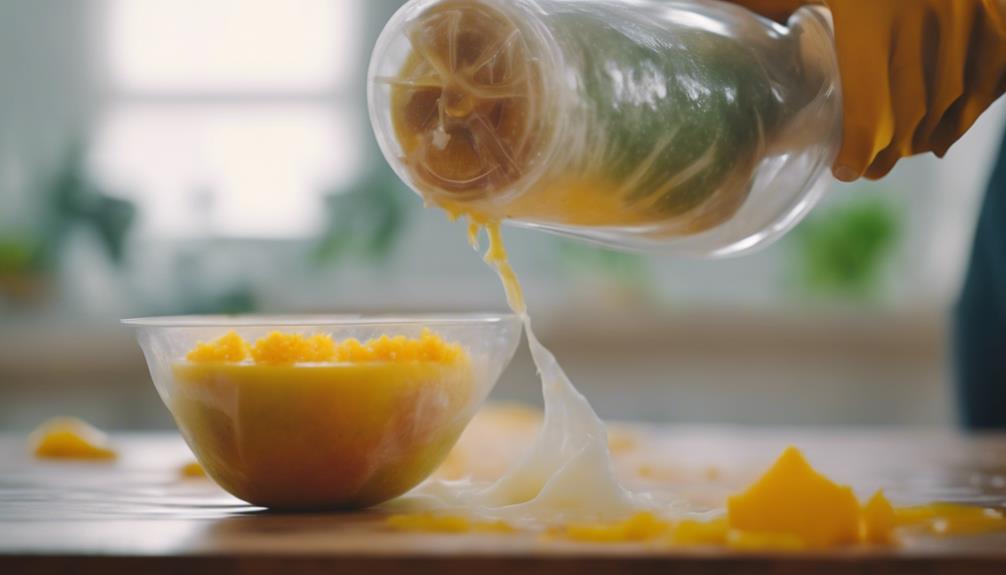
Let's talk about the essential components you'll need for your Sous Vide Mango Sorbet.
To make this delightful treat, gather:
ripe mangoes,
sugar,
water, and
a touch of lemon juice.
These ingredients come together to create an invigorating and vibrant sorbet that's perfect for any occasion.
Mango Sorbet Ingredients
Begin by gathering ripe mangoes, sugar, water, and lemon juice for the delicious Sous Vide Mango Sorbet.
To create the perfect mango sorbet, pay careful attention to the following:
- Fruit Selection: Choose ripe, fragrant mangoes for the best flavor and sweetness balance. Opt for mango varieties like Ataulfo or Champagne for a creamy texture and intense mango taste.
- Flavor Combinations: Enhance the mango sorbet by experimenting with additions like a hint of coconut milk, fresh mint, or a splash of lime juice. These additions can elevate the flavor profile and add complexity to the dessert.
- Sweetness Balance and Texture Control: Adjust the sugar quantity to achieve the desired level of sweetness. Additionally, blending the sorbet mixture until smooth before setting it in the sous vide apparatus ensures a creamy and luxurious texture that will impress your guests.
Chilling the Mango Mixture
To chill the mango mixture effectively, it's essential to employ precise temperature control techniques.
You'll need specific equipment like a freezer or an ice bath to cool the mixture efficiently.
The best time for chilling can vary depending on the recipe, so be sure to follow the instructions closely for the most favorable results.
Temperature Control Technique
Chill the mango mixture in the refrigerator for at least 4 hours before transferring it to the sous vide machine. This step is essential for ensuring the sorbet achieves the perfect consistency and flavor. Precision cooking is key when preparing desserts like this, as it helps maintain the quality and taste of the final product. By chilling the mango mixture properly, you aren't only enhancing the sorbet's texture but also following important food safety guidelines.
During the chilling process, the flavors of the mango, sugar, and lime juice meld together, creating a delicious base for your sorbet. The cold temperature helps solidify the mixture, allowing it to be ready for the next step in the sous vide cooking process.
Equipment Needed for Chilling
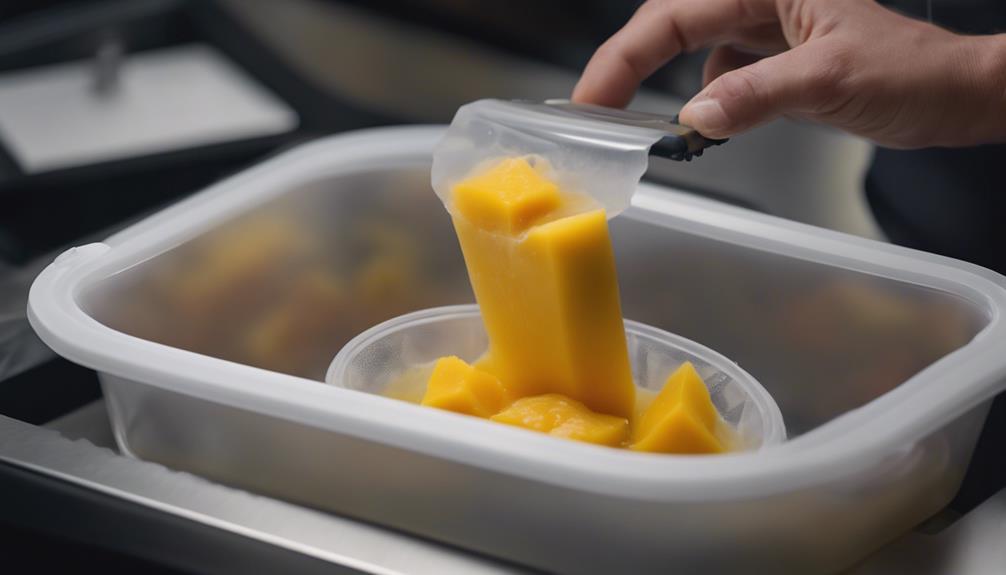
Consider using a sealed vessel or airtight pouch to store the mango blend in the fridge for optimal cooling outcomes.
Once you have prepared your mango concoction, it's essential to cool it effectively to guarantee a revitalizing sorbet.
One approach you can take is an ice bath, where you position the sealed vessel or pouch in a larger container filled with ice and water. This rapid cooling method helps lower the temperature of the blend swiftly.
Alternatively, you can choose the freezer technique. Simply position the sealed vessel or pouch in the freezer for a specific period until the blend reaches the desired chilled state.
Whichever approach you select, make sure to monitor the cooling process periodically to prevent excessive chilling of the blend.
Optimal Time for Cooling
For best results, aim to chill the mango mixture in the fridge for at least 4 hours before proceeding with the sorbet-making process. This cooling duration allows the flavors to meld together and ensures a smooth texture in your final sorbet.
The ideal method for chilling the mango mixture involves placing it in a shallow container to increase surface area exposure, helping it cool faster and evenly.
Once the mixture has been adequately chilled, it's time to move on to the freezing technique. Transfer the chilled mango mixture into an ice cream maker and follow the manufacturer's instructions for sorbet preparation.
If you don't have an ice cream maker, pour the mixture into a shallow, freezer-safe dish, cover it, and place it in the freezer. Every 30 minutes, take it out and stir vigorously to break up any ice crystals forming until the sorbet reaches the desired consistency.
With proper chilling and freezing techniques, you'll soon enjoy a delightful and invigorating TB12 Mango Sorbet that's perfect for any occasion.
Final Thoughts
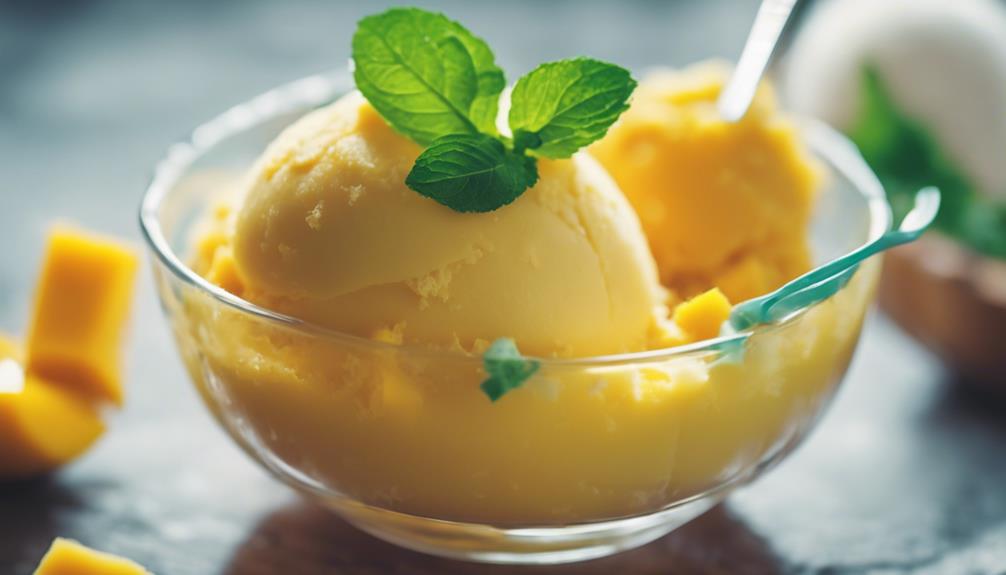
To wrap up, ponder the delightful fusion of flavors and textures in this invigorating sous vide mango sorbet.
When it comes to taste testing, make sure you experience the full spectrum of mango's sweetness by using ripe fruit.
For serving suggestions, consider adding a sprinkle of toasted coconut or a dollop of whipped cream to elevate the dessert further.
Texture preferences play an essential role in sorbet enjoyment; if you prefer a smoother sorbet, blend the mixture longer before freezing. On the other hand, for those who enjoy a bit of texture, leaving small mango chunks can provide a delightful contrast.
Experimenting with flavor enhancements like a hint of lime zest or a splash of rum can take this sorbet to the next level. Remember, the beauty of making sorbet lies in its versatility, so don't hesitate to personalize it to suit your palate.
Enjoy the process of creating and serving this invigorating treat to your loved ones.
Frequently Asked Questions
Can I Use Frozen Mangoes for This Recipe?
Yes, you can use frozen mangoes for this recipe. While fresh mangoes may offer a slightly different flavor profile, frozen mangoes work well and can still yield delicious results. Experiment for unique taste variations.
How Long Can I Store the Sorbet in the Freezer?
You can store the sorbet in the freezer for up to 1-2 weeks for best taste. Keeping it longer may affect the texture. Remember to cover it well to prevent freezer burn and maintain its freshness.
Is It Possible to Make This Sorbet Without a Sous Vide Machine?
You can make the sorbet without a sous vide machine. Alternative cooking methods like using a blender or ice cream maker work well. Feel free to experiment with flavor variations or ingredient substitutions to customize your mango sorbet.
Can I Substitute Mango With Other Fruits in This Recipe?
You can certainly switch mango for other fruits in the recipe. Experiment with different flavors like berries or peaches. This can lead to exciting texture variations and unique ingredient combinations, perfect for serving a delightful treat.
What Are Some Creative Ways to Serve the Mango Sorbet?
To enhance your mango sorbet presentation, consider unique flavor combinations like coconut or mint. Serving suggestions could include pairing it with a slice of lime or sprinkling toasted coconut as a garnish for added flair.
Conclusion
To wrap things up, sous vide technology offers a precise and innovative way to create delicious desserts like mango sorbet. By carefully controlling the temperature and cooking time, you can achieve a smooth and invigorating treat that's perfect for any occasion.
With just a few simple steps, you can enjoy a homemade dessert that's sure to impress your friends and family. So why not give this recipe a try and indulge in a taste of summer all year round?