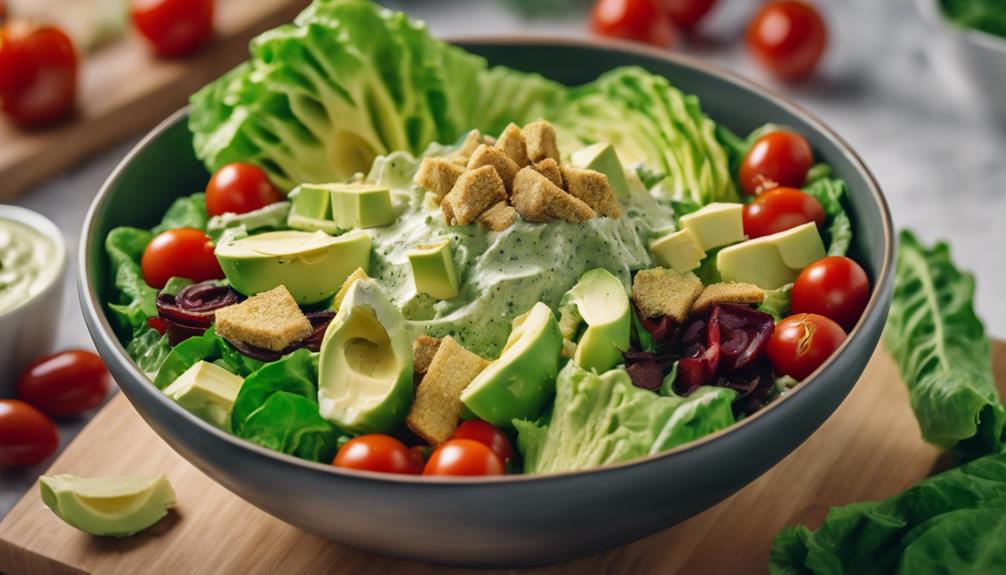
Vegan Caesar Salad: A Classic Lunch on the 22 Days Vegan Diet

Experience the classic taste of a vegan Caesar salad on the 22 Days Vegan Diet. Immerse yourself in a nutritious, satisfying meal with this plant-based twist on a traditional favorite. Discover the rich flavors of a Caesar dressing without compromising your dietary choices. With fresh ingredients and a few smart swaps, you can savor this iconic lunch option guilt-free. Explore the secrets to creating a plant-based Caesar salad that will tantalize your taste buds and keep you energized throughout the day. Delve into the world of vegan cuisine with this timeless dish at the core.

What You Will Learn Here
- Vegan Caesar salad is a classic lunch option on the 22 Days Vegan Diet.
- Explore plant-based alternatives for traditional Caesar salad ingredients.
- Utilize nutrient-dense ingredients like avocado for a creamy dressing.
- Experiment with emulsifying techniques to create a vegan-friendly Caesar dressing.
- Enhance the salad with homemade croutons and fresh romaine lettuce.
Salad's Ancient Origins
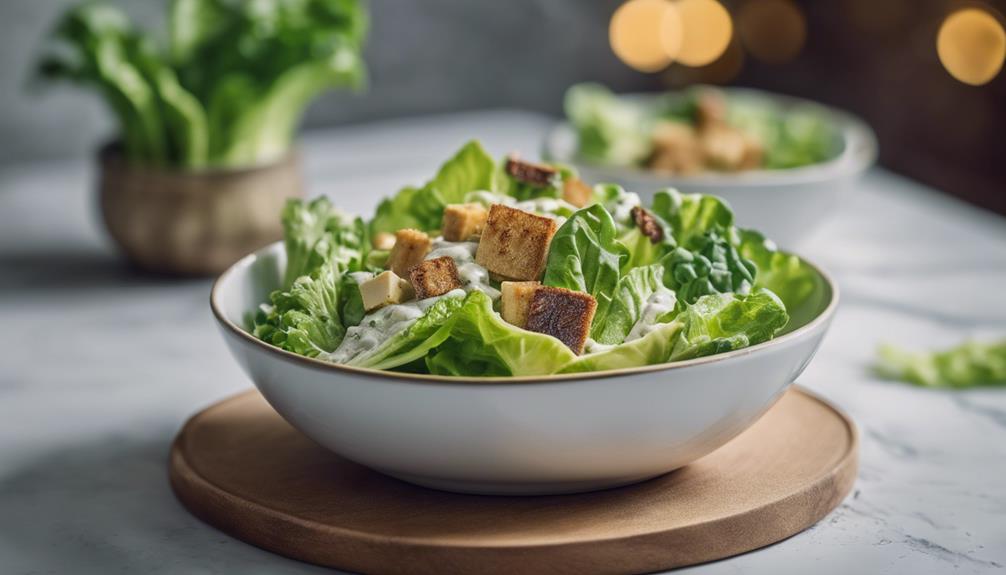
Salad's ancient origins can be traced back to historical roots that showcase its evolution over time.

Exploring the timeline of salad's development reveals how this dish has transformed into various classic variations enjoyed today.

Understanding the historical context behind salads provides insight into the cultural significance and culinary creativity that have shaped these beloved dishes.

Historical Salad Roots
Ancient civilizations across various regions of the world have a rich history of incorporating fresh vegetables and herbs into their diets, laying the foundation for what we now know as salads. In these early societies, salads held deep symbolism, often representing health, fertility, and prosperity. The culinary influence of these ancient cultures, such as the Greeks and Romans, played a significant role in shaping the salad traditions that have been passed down through generations.
Salads weren't just a simple dish but held cultural significance, being served at feasts, celebrations, and ceremonies. The Greeks, for example, believed that the balance of flavors and textures in a salad mirrored the balance of life itself. Similarly, the Romans prized salads for their invigorating qualities and as a symbol of luxury and abundance.
These salad traditions have evolved over time, adapting to new ingredients and culinary techniques, but the roots of salads as a dish that celebrates freshness, health, and prosperity can be traced back to these ancient civilizations.
Salad Evolution Timeline
The timeline of salad evolution traces back to the early civilizations that first embraced the concept of incorporating fresh vegetables and herbs into their diets. Ancient Greeks and Romans are credited with creating the foundations of modern salad by mixing greens with dressings made from oil, vinegar, and herbs.
Over time, different cultures added their own twists to salads, leading to a myriad of salad trends that continue to evolve today.
During the Renaissance period, salads became more diverse with the addition of fruits, nuts, and exotic spices. In the 19th century, salads gained popularity in America, with the creation of iconic dishes like the Cobb salad and Waldorf salad.
As the 20th century progressed, the salad bar concept emerged, allowing diners to customize their salads with a variety of ingredients.
In recent years, the focus has shifted towards healthier and more innovative salad options, reflecting a growing interest in plant-based diets and sustainable eating practices.
Today, the modern salad is a versatile dish that can be enjoyed in countless variations, catering to a wide range of tastes and dietary preferences.
Classic Salad Variations
Explore the diverse array of classic salad variations that have roots in ancient culinary traditions. From the Greek-inspired Greek salad with feta cheese and olives to the Italian Caprese salad featuring fresh tomatoes, basil, and mozzarella, classic salads offer a delightful mix of flavors and textures.
These timeless recipes have stood the test of time and continue to be enjoyed today with modern twists in presentation and ingredients.
Classic salads not only please the taste buds but also provide numerous nutritional benefits. By incorporating nutrient-dense ingredients like leafy greens, colorful vegetables, and protein sources such as chickpeas or tofu, these salads offer a well-rounded meal packed with vitamins, minerals, and antioxidants.
For those looking to make healthier choices, simple ingredient swaps like using a light vinaigrette instead of a creamy dressing can reduce calorie and fat intake without compromising on taste.
Whether you're serving a crowd or preparing a quick meal for yourself, classic salad variations offer a versatile and satisfying option that caters to a range of preferences and dietary needs. Experiment with different combinations of ingredients and dressings to create your own signature salad that pays homage to these ancient culinary classics.
Key Salad Components
Enhance your vegan Caesar salad by incorporating key components like crispy romaine lettuce, tangy dairy-free dressing, and crunchy croutons.
When preparing your salad, pay attention to the following:
- Salad Dressing: The dressing is the heart of a Caesar salad. Opt for dairy-free alternatives like cashew-based or tahini dressings for a creamy texture without the animal products. Experiment with ingredient variations like nutritional yeast for a cheesy flavor or Dijon mustard for an extra kick.
- Romaine Lettuce: Choose fresh and crisp romaine lettuce as the base of your salad. Its sturdy leaves provide a satisfying crunch and a invigorating taste. Wash the lettuce thoroughly and tear it into bite-sized pieces for easy eating.
- Croutons: Croutons add a delightful crunch to your salad. Make them at home by toasting cubes of whole grain bread with a drizzle of olive oil and a sprinkle of garlic powder. Alternatively, look for store-bought options with simple ingredients to save time without compromising on taste.
Top Vegan Caesar Salad Recipes
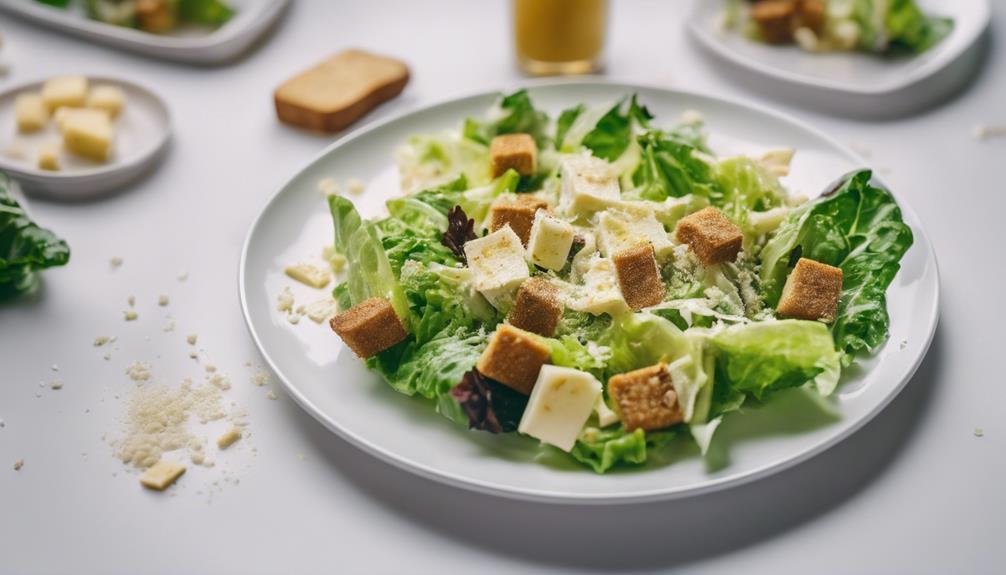
Looking to switch up your salad game? Check out these top vegan Caesar salad recipes:
the classic vegan Caesar salad,
a tofu Caesar salad,
and a creamy avocado dressing.
These recipes offer delicious alternatives to the traditional Caesar salad, perfect for those following a vegan diet or looking to try something new.
Get ready to elevate your salad experience with these flavorful and satisfying options!
Classic Vegan Caesar Salad Recipe
Discover a delicious and satisfying Classic Vegan Caesar Salad recipe that's a top choice among vegan Caesar Salad recipes. When preparing this salad, opt for Vegan alternatives in the Caesar dressing for a plant-based twist on the classic dish. Enhance the nutritional value by incorporating plant-based protein sources and a variety of Salad toppings. Here's a simple yet flavorful recipe for you:
- Vegan Caesar Dressing:
- Combine cashews, lemon juice, Dijon mustard, garlic, capers, nutritional yeast, and water in a blender. Blend until smooth and creamy.
- Plant-Based Protein:
- Add chickpeas or marinated tofu to the salad for a protein boost that will keep you feeling full and satisfied.
- Salad Toppings:
- Top your Caesar salad with crunchy croutons, cherry tomatoes, avocado slices, and a sprinkle of hemp seeds for added texture and flavor.
This Classic Vegan Caesar Salad recipe isn't only delicious but also packed with nutrients to fuel your day. Enjoy this wholesome meal that's both tasty and nourishing.
Tofu Caesar Salad Recipe
For a satisfying twist on the classic Vegan Caesar Salad recipe, consider trying out a delightful Tofu Caesar Salad that offers a unique plant-based take on this popular dish. Tofu, a versatile ingredient, can be prepared in various ways to add a protein-packed punch to your salad.
When making your Tofu Caesar Salad, experiment with different tofu variations like smoked or marinated tofu to elevate the flavors and textures in your dish. Additionally, swap traditional croutons for crispy baked tofu cubes to add an extra crunch to your salad while keeping it entirely plant-based.
To enhance the Caesar dressing in your Tofu Caesar Salad, try blending silken tofu with garlic, lemon juice, Dijon mustard, and capers for a creamy and tangy dressing that will coat your salad ingredients perfectly. This tofu-based Caesar dressing isn't only delicious but also a healthier alternative to the traditional dressing, making your salad both flavorful and nutritious.
Creamy Avocado Dressing Recipe
To create a delectable Creamy Avocado Dressing for your Vegan Caesar Salad, blend ripe avocados with tangy lemon juice, garlic, and a hint of olive oil until smooth and creamy. Avocados aren't only creamy and flavorful but also packed with nutrients like healthy fats, fiber, and vitamins.
Here are some tips to enhance your dressing:
- Avocado Substitutions: If you're looking for alternatives to avocados, try using silken tofu or soaked cashews for a creamy base.
- Creamy Dressing Variations: Experiment with adding ingredients like nutritional yeast for a cheesy flavor, or Dijon mustard for an extra tangy kick.
- Nutritional Benefits: Avocado-based dressings offer heart-healthy fats, potassium, and antioxidants, making them a nutritious choice for your salad.
Salad Dressing Techniques
When making your vegan Caesar salad dressing, remember the importance of selecting quality ingredients.
Understanding emulsifying techniques will help you achieve a creamy and well-balanced dressing.
Don't forget to experiment with flavor-enhancing additions like nutritional yeast or Dijon mustard for a unique twist.
Dressing Ingredients Importance
Understanding the significance of dressing ingredients is important when mastering salad dressing techniques for your Vegan Caesar Salad on the 22 Days Vegan Diet. Ingredient substitutions and flavor profiles play a key role in creating a delicious dressing.
You can experiment with ingredients like nutritional yeast for a cheesy flavor or miso paste for a savory kick. When making recipe modifications, consider allergen considerations by opting for allergen-free substitutes such as tamari instead of soy sauce for those with soy allergies.
To cater to various dietary needs, it's crucial to be aware of potential allergens like nuts, gluten, or soy in traditional Caesar dressing ingredients. Making simple swaps can accommodate these concerns without compromising taste. By being mindful of ingredient choices and their impact on flavor, you can create a dressing that's both delicious and inclusive.
Stay tuned for the next segment where we explore emulsifying techniques to perfect your Vegan Caesar Salad dressing.
Emulsifying Techniques Overview
Explore the technique of emulsifying to enhance your Vegan Caesar Salad dressing and achieve a creamy and balanced consistency. Emulsification is the process of combining oil and water, which are typically immiscible, into a stable mixture.
To create a successful emulsion, you'll need an emulsifier such as vinegar and mustard. These ingredients help bind the oil and water together, preventing them from separating.
When making your Vegan Caesar Salad dressing, start by slowly whisking the oil into the vinegar and mustard mixture. The key is to add the oil gradually while whisking continuously to encourage the formation of tiny droplets dispersed throughout the liquid. This process allows the oil to become evenly distributed, resulting in a smooth and creamy dressing.
Mastering the emulsifying process is essential for achieving a well-balanced dressing that coats your salad ingredients evenly. With practice and attention to detail, you can create a delicious Vegan Caesar Salad dressing that rivals traditional versions in flavor and texture.
Flavor Enhancing Additions
To elevate the taste of your Vegan Caesar Salad dressing, consider incorporating additional flavor-enhancing ingredients such as garlic, capers, and nutritional yeast. Garlic adds a robust and savory kick to the dressing, while capers bring a briny and tangy flavor that complements the overall profile. Nutritional yeast provides a cheesy and umami-rich taste, mimicking the traditional Caesar dressing's depth.
For those looking to make ingredient substitutions or recipe modifications, you can swap the garlic for roasted garlic for a milder flavor or use shallots for a different aromatic note. To enhance the seasoning options and flavor pairings, experiment with adding Dijon mustard for a hint of spiciness or a splash of lemon juice for brightness. These additions can elevate the Vegan Caesar Salad dressing, providing a satisfying and flavorful experience for you and your guests.
Remember to taste as you go and adjust the seasonings to suit your preferences.
Final Thoughts
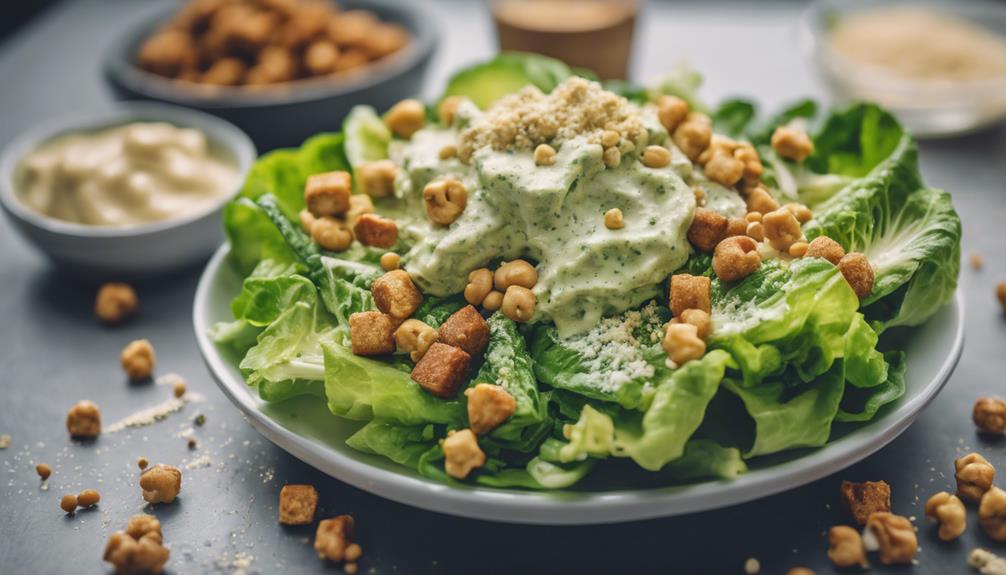
As you wrap up your journey with the Vegan Caesar Salad on the 22 Days Vegan Diet, consider the impact of this flavorful dish on your plant-based lifestyle. The plant-based benefits of incorporating this meal into your routine are vast. Not only does it provide essential nutrients like fiber, vitamins, and minerals, but it also supports environmental sustainability by reducing your carbon footprint.
By embracing vegan meal prep, you aren't only nourishing your body but also contributing to a more compassionate world.
Planning ahead and preparing vegan meals can save you time and money while ensuring that you have nutritious options readily available. The convenience of having a delicious Vegan Caesar Salad at your fingertips can make sticking to your plant-based diet easier and more enjoyable.
Frequently Asked Questions
Can I Make a Vegan Caesar Salad Without Tofu?
You can make a vegan Caesar salad without tofu by using tofu alternatives like chickpeas or roasted vegetables. Simply substitute the tofu in the Caesar dressing with ingredients like cashews, tahini, or avocado for a creamy texture.
Are There Any Gluten-Free Crouton Options for This Salad?
For gluten-free crouton alternatives in your Vegan Caesar Salad, try using toasted gluten-free bread cubes or roasted chickpeas. These options make delicious salad toppings. Pair them with your favorite vegan dressing for a satisfying meal.
What Are Some Creative Protein Alternatives for This Salad?
For a protein boost in your salad, consider adding quinoa or tempeh for a nutritious twist. Chickpeas and seitan are also great options. These alternatives will not only satisfy your hunger but also fuel your body with essential nutrients.
Can I Substitute Nutritional Yeast for Vegan Parmesan?
Yes, you can substitute nutritional yeast for vegan parmesan in your Caesar salad. Nutritional yeast adds a cheesy flavor while being a great source of B vitamins. Consider adding tofu for extra protein too. Enjoy your delicious and nutritious meal!
How Long Can I Store the Vegan Caesar Dressing in the Fridge?
You can store the vegan Caesar dressing in the fridge for up to 5-7 days for best freshness. Proper storage guarantees a longer shelf life. Consider using fresh ingredients like lemon juice or Dijon mustard as alternatives for a vibrant flavor boost.
Conclusion
To sum up, the vegan Caesar salad is a delicious and nutritious option for those following the 22 Days Vegan Diet. With its origins tracing back to ancient times, this classic dish can be easily customized with a variety of plant-based ingredients.
By mastering the art of creating the perfect dressing and combining key salad components, you can enjoy a satisfying lunch that's both flavorful and healthy.
So go ahead and give this timeless recipe a try for a tasty meal that won't disappoint.