Sous Vide Chicken and Vegetable Broth

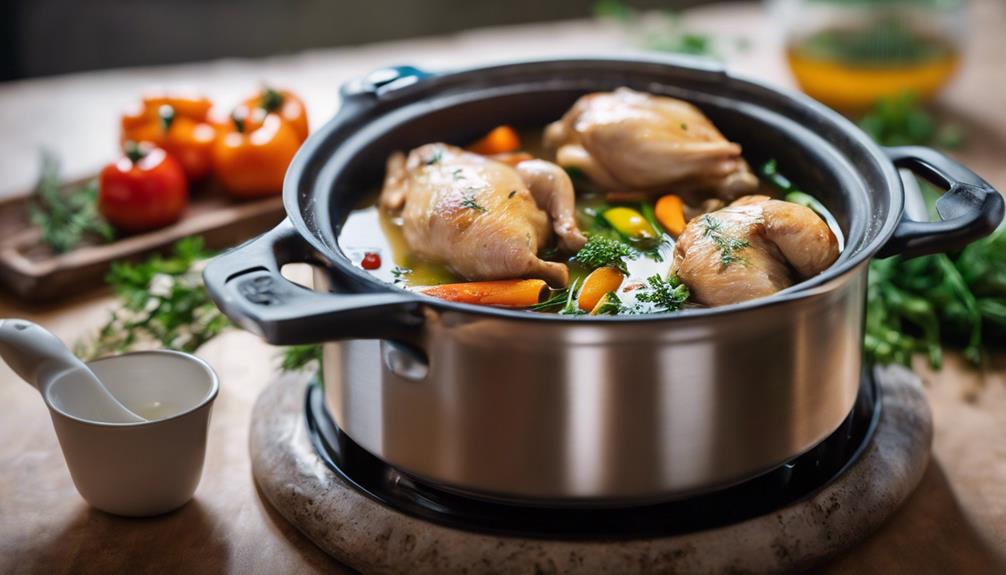
Immerse chicken and veggies in a sous vide bath for an exquisite broth. Set precise temperature controls for tender results. Enjoy a rich, aromatic infusion of flavors. The slow cooking method enriches the essence of the ingredients. The broth serves as a versatile base for diverse culinary creations. Taste the concentrated flavors infused with depth. Explore the culinary possibilities with this flavorful foundation. Take your dishes to the next level with this sous vide technique.

Broth's Origin Story
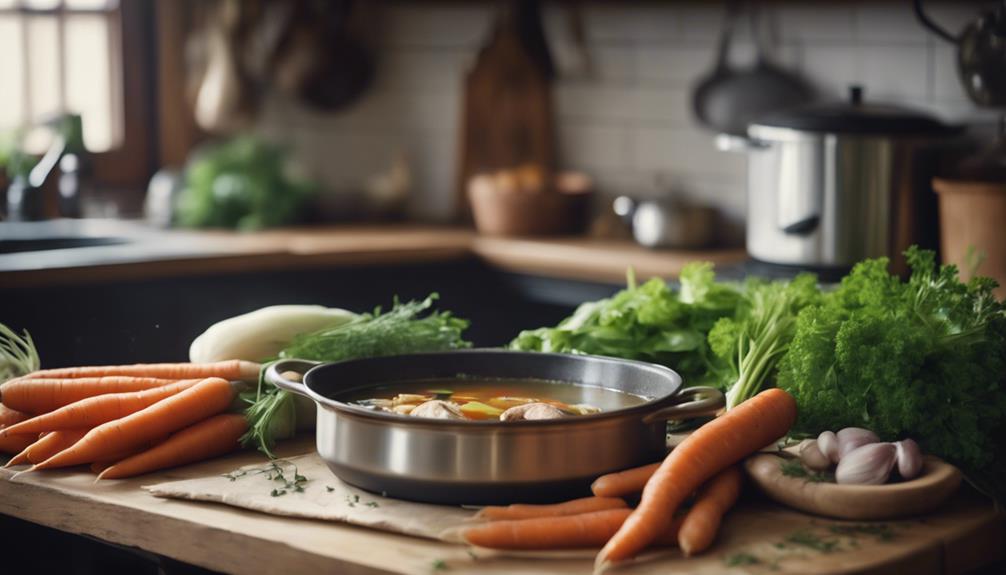
Broth's Origin Story begins with its historical roots tracing back to ancient civilizations where it was used for its nourishing properties. Traditional broth-making methods involved simmering bones and vegetables for an extended period to extract flavors.

In modern times, innovative techniques like sous vide have revolutionized broth preparation, offering precise temperature control for efficient extraction of flavors.
Broth's Historical Roots
Delving into the historical origins of broth reveals a rich tapestry of culinary traditions and practices that have evolved over centuries. Broth holds immense historical significance, tracing its roots back to ancient civilizations where it was valued for its nourishing qualities.

Cultural influences have shaped the development of broth recipes, with variations reflecting regional ingredients and cooking techniques. In ancient Egypt, broth was a staple in the diet of the wealthy, while in medieval Europe, it was used for both sustenance and medicinal purposes.
The evolution of broth-making techniques has been a fascinating journey, blending flavors and ingredients to create a comforting and versatile culinary base. This historical journey showcases how broth has remained a timeless culinary cornerstone across diverse cultures.
Traditional Broth-Making Methods
Traditional methods of making broth date back to ancient civilizations, showcasing meticulous techniques and precise ingredient combinations that form the foundation of this culinary staple. Slow simmering is a key aspect of traditional broth-making, allowing flavors to develop gradually over time.
This method involves cooking ingredients at a low temperature for an extended period, extracting nutrients and essences from bones, meats, and vegetables. Flavor extraction is a delicate process where the ingredients release their aromatic compounds, creating a rich and complex taste profile.
Ancient cooks understood the importance of patience in the slow simmering process, as it was believed to enhance the depth of flavor in the broth. These time-honored techniques continue to influence modern broth-making practices, highlighting the enduring legacy of traditional methods.
Modern Broth Innovations
Exploring the evolution of broth preparation reveals a fascinating narrative of culinary experimentation and innovation, paving the way for modern broth-making techniques rooted in tradition. Broth innovations have surged in recent years, focusing on sustainability and maximizing flavor trends. Modern techniques now blend traditional methods with cutting-edge practices to create broths that are not only rich in taste but also environmentally conscious. Below is a table highlighting some of the key advancements in modern broth-making:
| Innovation | Description |
|---|---|
| Sustainable Sourcing | Ethical practices in selecting broth ingredients |
| Slow Simmer Reduction | Utilizing long cooking times for deeper flavors |
| Flavor Infusion | Incorporating new herbs and spices for complexity |
Key Broth Components
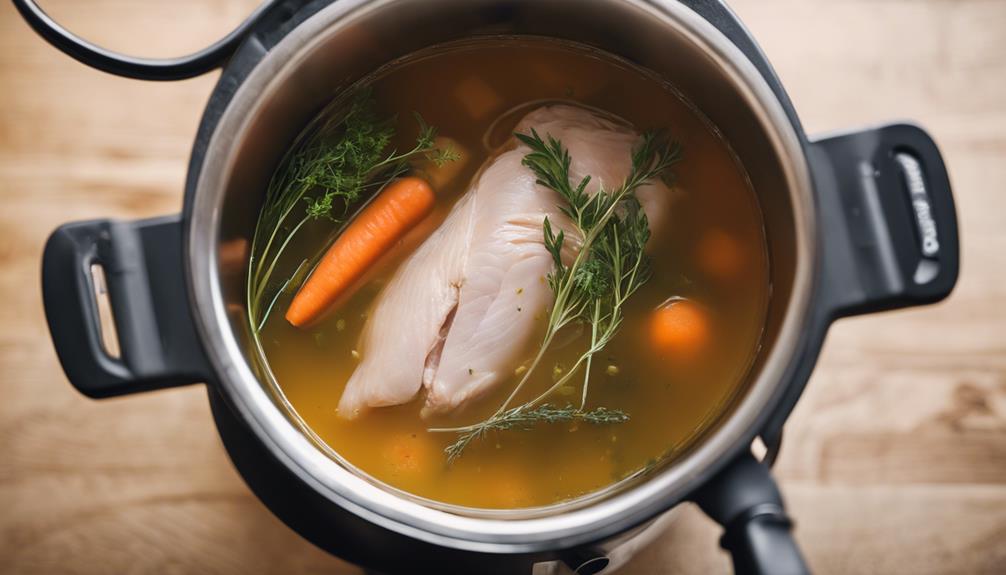
To create a rich and flavorful broth, essential key components such as aromatics, bones, and water are crucial in the sous vide cooking method. These elements work together to extract the maximum flavor and nutrients, resulting in a delicious and nourishing broth.
Here are three key components that play an important role in crafting the perfect broth:
- Aromatics: Ingredients like onions, carrots, celery, and garlic are commonly used to enhance the depth of flavor in the broth. These aromatics release their natural oils and flavors when cooked slowly, adding complexity to the final broth.
- Bones: Whether it's chicken, beef, or vegetable bones, they're the foundation of a good broth. Bones contain collagen, which breaks down during cooking to create a rich and silky texture, as well as adding a savory depth of flavor.
- Water: The quality of water used in making broth is often underestimated. Using filtered or mineral water can make a significant difference in the overall taste and clarity of the broth.
Incorporating these key components ensures that your broth benefits from a strong flavor profile and can be perfectly paired with a variety of dishes for a satisfying culinary experience.
Tasty Broth Variations
When contemplating tasty broth variations, it's imperative to explore options that can elevate your dishes.
Savory Chicken Noodle Soup offers a classic comfort food experience, while Mouthwatering Chicken Dumpling Stew adds a hearty touch.
For a more gourmet choice, Chicken and Mushroom Risotto presents a creamy and flavorful option to savor.
Savory Chicken Noodle Soup
Consider enhancing the depth of flavor in your chicken noodle soup by infusing the broth with aromatic herbs and spices during the cooking process.
To create a savory and rich broth for your chicken noodle soup, follow these steps:
- Add a bouquet garni: Tie together a mix of fresh herbs like thyme, parsley, and bay leaves for a burst of flavor.
- Include whole spices: Peppercorns, cloves, and a dash of nutmeg can elevate the taste profile of your broth.
- Simmer low and slow: Let the broth gently bubble away to allow the flavors to meld and intensify.
Mouthwatering Chicken Dumpling Stew
For a tantalizing twist on your chicken dumpling stew, infuse your broth with an array of aromatic herbs and spices to elevate the flavor profile to new heights.
Experiment with dumpling variations and flavorful broths to create a dish that will leave your taste buds dancing. Consider creative pairings of ingredients to take your stew to the next level.
Don't be afraid to try different broth alternatives to find the perfect match for your dumplings. Whether you opt for a classic chicken broth with traditional dumplings or venture into more exotic flavors, the key is to balance the richness of the stew with the depth of the broth.
Get ready to savor a bowl of comforting goodness with every spoonful.
Chicken and Mushroom Risotto
With its rich and savory flavors, the Chicken and Mushroom Risotto offers a delectable canvas for exploring a variety of tasty broth variations. When preparing this dish, consider the following:
- Risotto variations: Experiment with different types of rice such as Arborio or Carnaroli to achieve varying textures and flavors in your risotto.
- Mushroom pairing: Pairing the risotto with different mushroom varieties like shiitake, porcini, or chanterelle can greatly impact the overall taste profile.
- Broth infusion: Enhance the depth of flavor by using a variety of broths such as chicken, vegetable, or even a mushroom broth to elevate the umami notes in the dish.
These considerations will help you create a Chicken and Mushroom Risotto that tantalizes the taste buds with each bite.
Broth-Infusing Cooking Techniques
When it comes to broth-infusing cooking techniques, understanding the benefits of infusion is essential. Techniques such as simmering, steeping, and pressure cooking play important roles in extracting flavors.
Infusion Benefits Explained
Exploring the benefits of infusion in broth preparation reveals the nuanced complexities of flavor enhancement through meticulous cooking techniques. Flavorful infusion involves extracting the essence of herbs, vegetables, and spices into the broth, creating a rich and aromatic base. This process not only intensifies the taste profile but also imparts a depth of flavor that's unparalleled.
Additionally, the health benefits of infusion can't be overlooked. By infusing the broth with nutrient-dense ingredients, you not only enhance the taste but also boost the nutritional value of the final dish. The slow infusion process allows for the extraction of vitamins, minerals, and antioxidants, making the broth not only delicious but also a nourishing addition to your diet.
Techniques for Broth
Employing various broth-infusing cooking techniques enhances the depth and complexity of flavor in your culinary creations. When it comes to flavor extraction, techniques like simmering, steeping, and pressure cooking are commonly used. Simmering involves gently boiling the ingredients over low heat for an extended period, allowing the flavors to meld together.
Steeping, on the other hand, requires soaking the ingredients in hot liquid to extract their essence slowly. Pressure cooking accelerates flavor extraction by using high pressure to force liquid into the ingredients quickly.
Ingredient selection is vital for developing a rich broth. Choose a variety of aromatic vegetables, herbs, and bones with high collagen content to achieve a well-rounded flavor profile. Selecting fresh, high-quality ingredients will greatly impact the final taste of your broth.
Enhancing Flavor Profiles
To elevate the depth and complexity of your broth's flavor profile, consider implementing advanced techniques such as infusion through simmering, steeping, and pressure cooking.
By utilizing flavorful seasonings and ingredient pairings, you can enhance the umami depth of your broth.
Infusion through simmering involves gently cooking ingredients over low heat for an extended period, allowing the flavors to meld together.
Steeping, on the other hand, entails soaking ingredients in hot liquid to extract their essence slowly.
Pressure cooking accelerates flavor infusion by using high pressure to force liquid into ingredients quickly.
Experimenting with these culinary techniques and combining complementary ingredients will result in a broth with rich, layered flavors that will elevate your dishes to new heights.
Final Thoughts
Consider these key points when reflecting on your experience with this Sous Vide Chicken and Vegetable Broth recipe. The reflective analysis of this culinary creation reveals the depth of flavor achieved through precise temperature control and extended cooking times. The sous vide method not only tenderizes the chicken but also allows the vegetables to release their essence slowly, resulting in a rich and robust broth.
The culinary applications of this broth are versatile, providing a solid foundation for various dishes. Whether used as a base for soups, stews, or sauces, the concentrated flavors from the sous vide process elevate the overall taste profile of your culinary creations. The controlled environment of sous vide cooking ensures that every ingredient contributes harmoniously to the final product, offering a consistent and delightful experience with each dish.
Frequently Asked Questions
Can the Broth Be Frozen for Later Use?
Yes, freezing broth offers convenience and extends its shelf life. To maintain quality, freeze in airtight containers or resealable bags. Thaw in the refrigerator overnight for best results. Reheat gently on the stovetop or microwave.
Are There Any Vegetarian Alternatives for This Broth?
For vegetarian alternatives to this broth, consider using a mix of roasted vegetables like carrots, onions, and celery for depth. Add herbs like thyme and bay leaves for flavor. Experiment with mushrooms or seaweed for umami richness.
How Long Can the Broth Be Stored in the Fridge?
When storing broth in the refrigerator, make sure it remains sealed to maintain freshness. The shelf life varies but typically lasts 3-4 days. Check for any signs of spoilage like off smells or unusual textures before consuming.
Can the Broth Be Used as a Base for Other Dishes?
Yes, you can use the broth as a base for various dishes. By incorporating flavorful additions like herbs or spices, you can enhance its taste. The broth's versatility allows it to be a key component in soups, stews, and risottos.
What Are Some Creative Ways to Use Leftover Broth?
Get creative with your leftover broth! Use it to infuse flavor into hearty soups or create delicious sauces. The rich, savory essence will elevate your dishes, adding depth and complexity to every bite.
Conclusion
To sum up, sous vide chicken and vegetable broth is a flavorful and nutritious addition to any meal. By infusing the ingredients at precise temperatures for extended periods of time, you can achieve a depth of flavor that traditional cooking methods simply can't replicate.
Experiment with different herbs, spices, and vegetables to create your own unique broth variations. Elevate your dishes with this versatile and delicious broth made using the sous vide method.